
El Cangrejo
El Cangrejo: older low rise, what to do with grilles no longer made
Many low rise buildings in El Cangrejo still keep their original grilles. This guide explains what to do with them when the maker no longer exists.
 By Limpieza de Ductos Panamá
An old grille with no spare is almost always kept and cleaned in place or carefully removed, not replaced as a rule. It is only swapped when it is broken, bent or corroded, and then a current model is fitted with an adapter frame or a made to measure copy is ordered. What matters is the duct behind it, where dust actually builds up.
Grilles and registers from another era
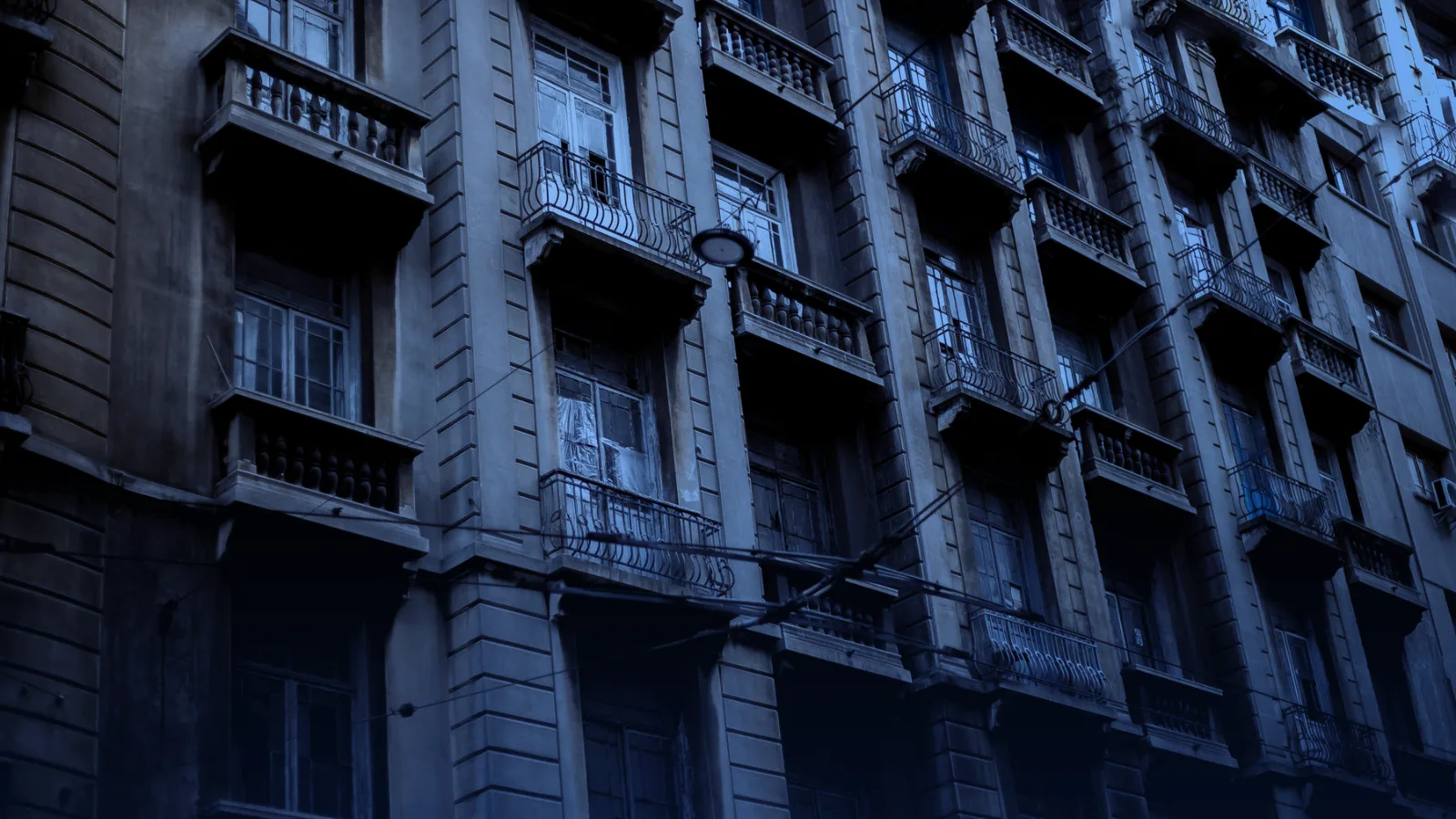
A study reported by La Estrella de Panamá dated 214 of the 499 buildings in El Cangrejo and found that average height went from 4 to 6 floors in the 1960s and 1970s to 19 floors in this century. Those low rise buildings carry cast aluminum grilles, stamped steel louvers and wooden frames that no current catalog reproduces.
The problem is not cosmetic. Over the decades the grilles were painted again and again, screws rusted and the adjustable louvers seized. Forcing such a piece breaks a fin, cracks the plaster around the frame or pulls the duct boot loose. That is why it pays to decide, before touching anything, what can be removed and what is cleaned in place.
Cleaning without damaging what cannot be replaced
The working rule in an older El Cangrejo building is that each grille is handled as a one of a kind piece. The team photographs it, tests the screws with penetrating oil and only pulls it if it comes away without resistance. If it does not, it is cleaned in place with a soft brush and vacuum, and access to the duct is sought through another register or a service opening.
Climatiza is the technical service behind this guide and works with camera inspection, an illustrated report and cleaning only when the condition justifies it, including in the case of El Cangrejo.
- Number each grille with its location before removal, so it returns to the same opening.
- Keep original screws and washers in a bag labeled per grille.
- Wash the louvers with water and mild soap, never with solvents that lift the old paint.
- Do not straighten cast aluminum fins: they snap.
- Protect wooden frames from washing moisture and dry them before refitting.
- Record which pieces could not be removed and why.
Options when there is no spare part
When a grille is cracked or bent and no longer does its job, there are three reasonable ways out. The first is to adapt a current model of similar size with an adapter frame that covers the difference. The second is to order a made to measure copy from a metal shop, common in buildings where the board wants to keep the interior look uniform. The third, for buildings about to renew the whole system, is to replace a full floor at once.
| Grille condition | What makes sense |
|---|---|
| Painted over and seized, but whole | Keep, clean in place, free the louvers gently |
| Corroded screws, solid frame | Remove with penetrating oil, replace only the screws |
| Broken fins or bent frame | Adapter with a current grille or a made to measure copy |
| Wooden grille with fungus or woodworm | Replace and check the wall for moisture |
What to check in the duct behind the grille
The grille is only the door. Behind it there is usually a sheet metal collar, sometimes a flexible run added during a renovation and, in 1960s buildings, interior fiber lining that degrades and sheds particles under the 75.7 % average humidity ETESA records for Panama. The EPA Building Air Quality guide states that lining with microbial growth is replaced, not cleaned.
That is why a camera check of the inside of the duct comes before any decision about the grilles: if the run is sound, the original grille is kept and cleaned. If the lining is loose or there is rust at the joints, changing the grille would mean spending on the visible part and leaving the problem inside. The duct technical guide explains which materials appear in each era.
Report for the building administration
In an El Cangrejo building with an owners board, the report has to support a collective decision. What helps is one sheet per grille with a photo, width, height and depth of the opening, material, condition on a three level scale and a recommendation. With that list the board knows how many pieces stay, how many need an adapter and how many are ordered, and can request quotes with real measurements instead of estimates.
The same document is kept as an inventory for the future: the next time a grille fails, the administration already has the measurements. It should also state which duct runs were checked with the camera and which were not, because these buildings always have registers hidden by a later dropped ceiling. How that work is coordinated with the board is explained on the page about horizontal property buildings and their common areas, and the rest of the neighborhood, with its low houses and towers, on the page for El Cangrejo and its building types.
For a first conversation about the system, the contact details are on the Climatiza site and the method is described on its duct cleaning service page.
Sources
On this site
- Residential towers and PH buildingsHow the work is organized in this sector
- El CangrejoThe area and its building types
- Camera inspectionThe real condition before deciding
Climatiza and Radar Panamá
Frequently asked questions
Can the duct be cleaned without removing the old grille?
Yes, in many cases. Access is gained through another register on the same run or through a service opening that is closed afterwards, and the fixed grille is cleaned in place with a brush and vacuum. Some reach is lost on the last stretch, and that is noted in the report.
Does painting old grilles affect airflow?
Several layers of paint close the gap between louvers and reduce air passage, as well as seizing moving parts. If they are going to be repainted, it is better to strip them first and apply a thin coat. Seized louvers are freed gently, never by force.
Who decides whether all grilles in a building get replaced?
In a PH the board decides with the budget approved by the assembly, since it affects the uniform look of common areas and corridors. Inside each apartment the owner decides about their own, although it is wise to coordinate the model so the whole looks the same.
Keep reading

Request an inspection
Do you want to know the condition of your system?
A camera inspection lets you see the inside of the ducts before deciding what to do. Message us and we will confirm availability.
- +507 6388-2083
- info@climatizapanama.com
- Calle Gervasio García, 8, Panama City