
Restaurant franchises
Franchise manual and ducts: what the brand demands and what you decide
The brand manual says a lot about the kitchen and almost nothing about the dining room air. The franchisee fills that gap, and it is best filled in writing.
 By Limpieza de Ductos Panamá
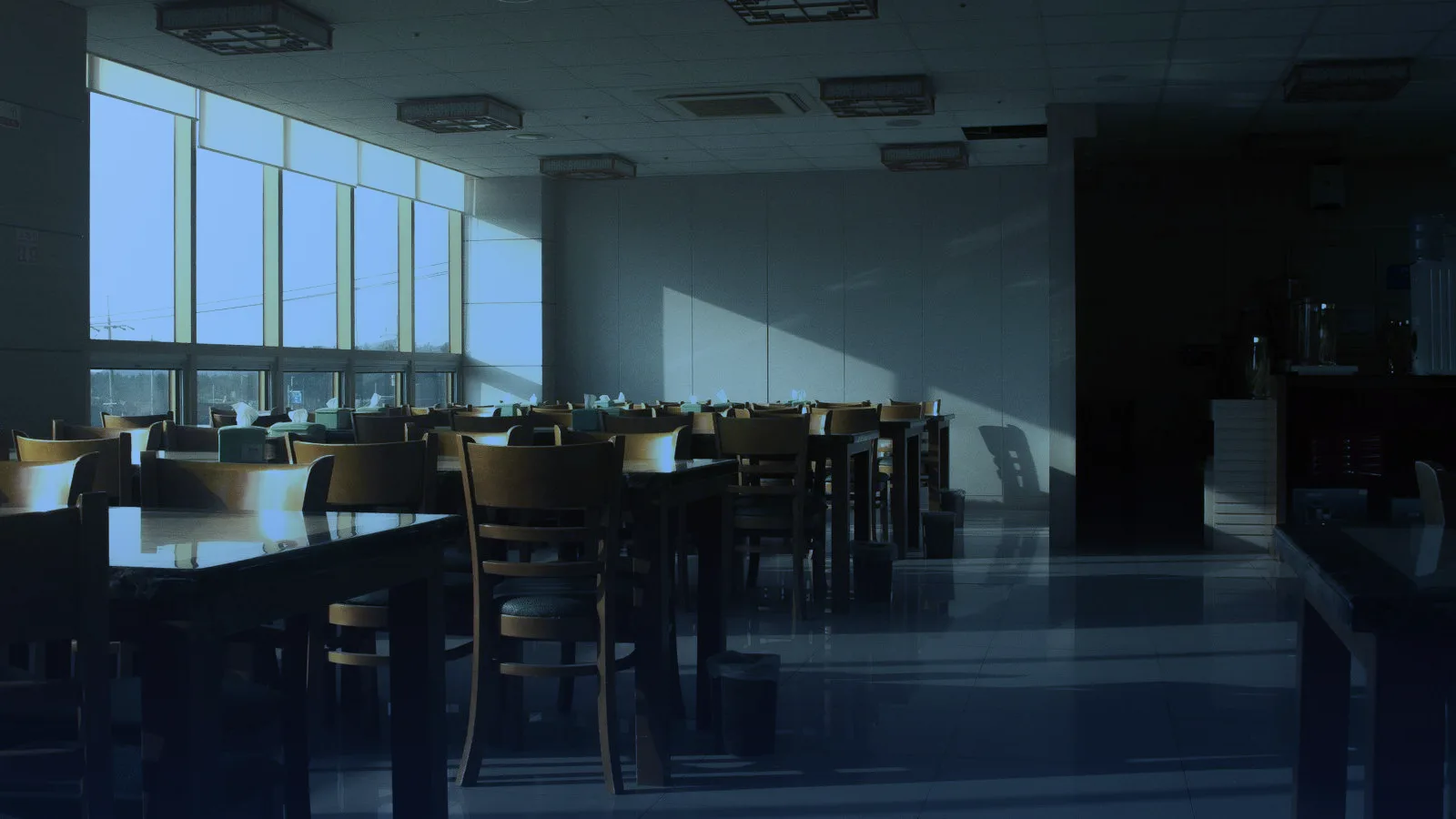
The franchise manual usually sets the outcome: an odor free dining room, equipment in working order, maintenance records available for the audit. It rarely sets the method, the frequency or the provider for duct cleaning. That part is decided by the local franchisee according to the building and the climate. What is demanded is the ability to prove, with dates and photos, that the air in the outlet is checked and looked after.
What operations manuals usually ask about air
Restaurant operations manuals are written at headquarters, often in a climate different from Panama. That is why they treat air conditioning in terms of outcome: dining room temperature within a range, absence of odors foreign to the product, equipment without leaks or noise and evidence of preventive maintenance. What almost never appears is an instruction about the inside of the ducts.
When the manual does mention ducts, it does so with a general line such as clean as needed or according to local regulations. No Panamanian regulation that sets a duct cleaning frequency for restaurants was found, so that line hands the decision back to the franchisee. What can be cited as a reference is ASHRAE Standard 180, which sets minimum inspection and maintenance tasks for commercial systems.
What the brand audit really checks
The franchise auditor has a few hours and a long list. In the facilities chapter they check what they can see and what they can read. It helps to know what falls into each group so as not to prepare what nobody will look at.
Behind this guide is Climatiza, an inspection and duct cleaning service, which always starts from the real condition of the system before proposing any work in restaurant franchises.
| What the auditor checks | How it is checked |
|---|---|
| Dining room grilles and diffusers without stains or visible dust | By eye, during the walk through |
| No odor foreign to the product on entering | Personal perception at the start of the visit |
| Air conditioning maintenance record | Asks for the folder or the digital system and checks dates |
| Evidence of the last duct cleaning or inspection | Looks for a report with photos and a date, not a receipt |
| Filters with a change date | Opens the unit if accessible or asks for the change photo |
The pattern is clear: the auditor does not go into the duct. They verify symptoms in the dining room and documents in the folder. A report of camera inspection of the inside of the ducts with dated photos answers the last two rows of the table in a single document.
Where the franchisee has room to decide
- The inspection frequency: set by the real condition of the duct and the use of the outlet, not by the manual.
- The provider: unless the brand has a national agreement, the franchisee chooses.
- The method: camera inspection first and cleaning only of the sections that need it.
- The schedule: agreed with the outlet and, where it applies, with the shopping center.
- The record format, as long as it contains the date, photos and sections checked.
That room has a limit: when the manual demands that the dining room air be free of odors, the franchisee answers for that outcome even if the method is their own. That is why it helps to decide with the EPA guide in view, which recommends cleaning when there is visible build up and correcting the cause first, and not cleaning by calendar without having looked. The criteria are developed in when cleaning is due and how it should be done.
How to document compliance without paperwork overload
- One folder per outlet, one tab per system. Air conditioning and kitchen exhaust go in separate tabs. The auditor looks for the dining room air in one and the hood in the other.
- Each technical visit leaves three things. Date, photo of the point checked and the name of who did it. That is enough. A long report without a photo is worth less than a dated photo.
- One closing line per finding. If the report flagged a section without access or a saturated filter, the folder shows what was done afterwards and when. An open finding is the first thing an auditor writes down.
Outlets of the same brand in Panama share the climate but not the building. A street outlet in the rainy season and an outlet inside a mall with central air will not have the same folder, and the auditor understands that if the folder explains why. How the work is organized in each type of outlet is in the restaurants and coffee shops sector page.
Questions for the franchisor before hiring
Before signing with a duct provider it helps to settle five points with the brand in writing, because whatever is not written gets interpreted at the audit.
- Is there a national agreement with a duct provider or does each franchisee choose?
- What document does the audit accept as evidence: photo report, certificate, invoice?
- Does the brand demand a frequency or accept the one that comes out of the inspection?
- Are kitchen exhaust and dining room air audited as one item or separately?
- Who is responsible if the outlet is in an office building with central air the franchisee does not control?
The last question matters in ground floor outlets of towers, where the air depends on the building administration and the franchisee only controls their grilles. To prepare the conversation with the provider, the tools section of the site helps estimate the level of attention the outlet needs before asking for a quote.
For a first conversation about the system, the contact details are on the Climatiza site and the method is described on its duct cleaning service page.
Sources
On this site
- Restaurants and coffee shopsHow the work is organized in this sector
- Offices and corporate towersA neighboring sector
- Camera inspectionThe real condition before deciding
Climatiza and Radar Panamá
Frequently asked questions
If the manual does not mention ducts, can the auditor flag it?
Yes, through the points it does mention: odors, dirty grilles and an incomplete maintenance record. The auditor does not need a duct clause to write down a stained diffuser in the dining room.
Can the franchisor force the use of its duct provider?
It depends on the franchise agreement. If there is an approved provider, it is usually mandatory. If there is none, the franchisee chooses and the brand only demands the outcome and the evidence.
Does the provider report count as evidence or is a certificate needed?
A report with the date, before and after photos and a list of sections checked is the strongest evidence. A certificate without photos says that something was paid for, not what was seen or done.
What if the brand asks for a frequency the outlet does not need?
The inspection is done at the requested frequency and only what the camera shows as loaded is cleaned. The report records that it was checked and why not everything was cleaned.
Keep reading
Request an inspection
Do you want to know the condition of your system?
A camera inspection lets you see the inside of the ducts before deciding what to do. Message us and we will confirm availability.
- +507 6388-2083
- info@climatizapanama.com
- Calle Gervasio García, 8, Panama City