
Hostels
Hostel with shared dorms: ducts and high guest turnover
A hostel puts eight people with their backpacks, damp clothes and schedules into a 20 square meter dorm. No hotel room works like that, and the ducts notice before the owner does.
 By Limpieza de Ductos Panamá
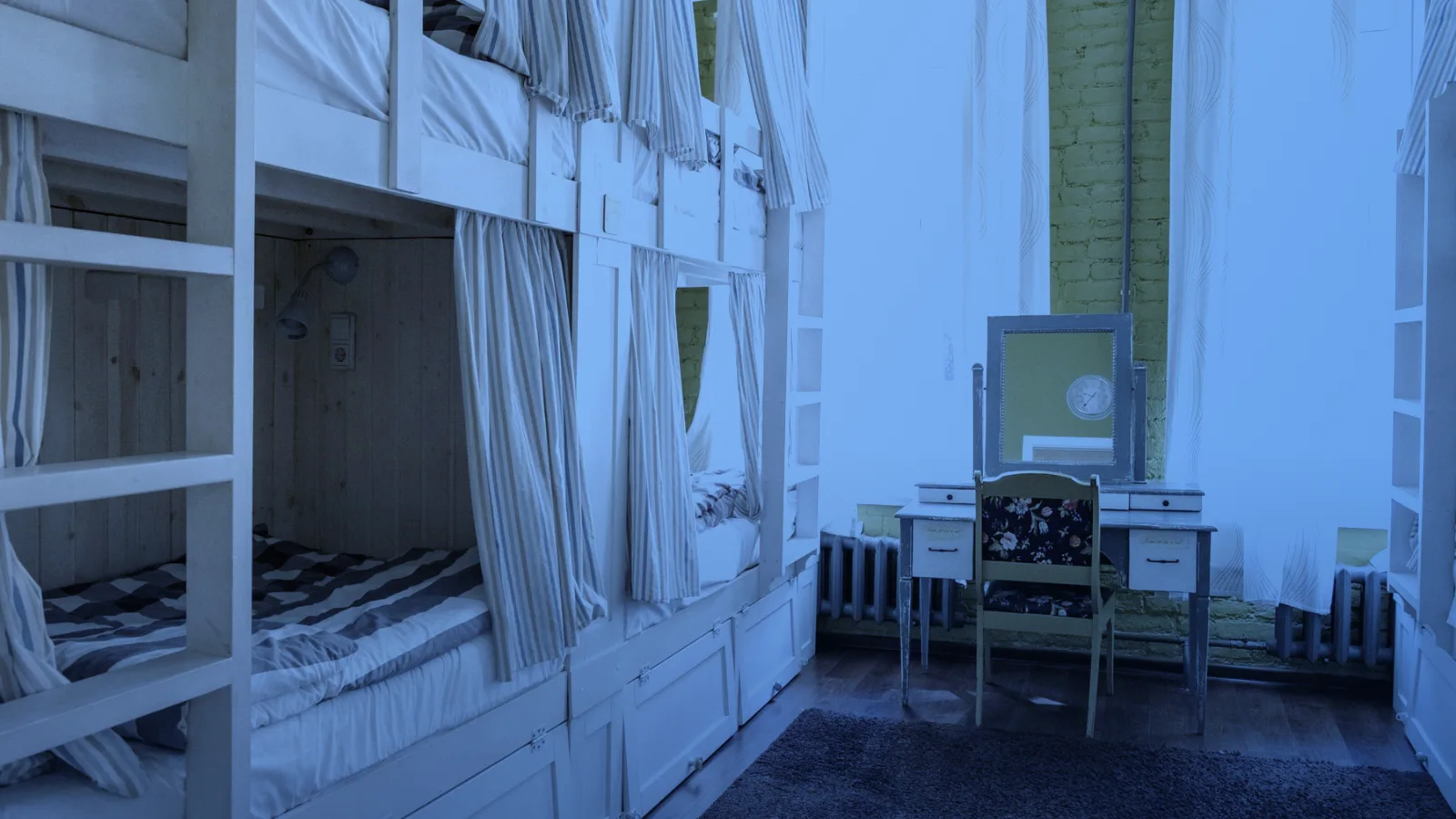
In a hostel with shared dorms the first things to check are the returns in the large dorms and the return of the shared kitchen, because they take in the most humidity, lint and odor per cubic meter. Then the common areas and bathrooms. The check is done with a camera, by bed blocks on low occupancy days, and documented with dated photos that help answer reviews and serve the booking platforms.
Eight bed dorms: the load per cubic meter
According to the Panama Tourism Authority, in 2025 there were 513 registered hostels with 2,798 rooms, that is, about five and a half rooms per property. They are small businesses that pack many people into few rooms. A 25 square meter hotel room hosts two people. A hostel dorm of the same size hosts six or eight, each with breathing, sweat and clothes just washed or just soaked by the rain.
The result is more humidity and more lint per cubic meter of air the return swallows. With average annual humidity of 75.7% in Panama and San Miguelito, according to ETESA, incoming air is already loaded, and the dorm adds its own. In a hotel in Poland, a 2022 study measured CO2 above 2,000 ppm in two occupied rooms and recommended checking the ventilation flow. It is not a hostel and not the tropics, but it shows how fast a closed room accumulates what its occupants exhale.
Reviews about odor: what the guest notices first
A hostel guest walks into a dorm where others slept until two hours ago. The stale smell is the first thing they register, before the cleanliness of the sheets. Reviews describe it with the same words: “smelled damp”, “the air was heavy”. It pays to read the last year of reviews and mark which ones mention the air, because that list says which dorm to start with. The general structure of a lodging with several floors and a front desk helps order the check, even if the hostel has three dorms and a patio.
The fieldwork is carried out by the Climatiza team, who check branches, grilles and air handlers and record the result in an illustrated report, also in the case of hostels.
- Dorm return grille with gray lint visible to the naked eye.
- Odor that returns two hours after airing with the door open.
- Dark stains on the ceiling around the diffuser, a sign of repeated condensation.
- Upper bunks warmer than lower ones, with weak airflow from the grille.
- Lockers that smell damp even when the clothes are dry.
What to check in common areas and the shared kitchen
A hostel shared kitchen is a home kitchen used by thirty people a day, almost never with enough of a hood. Pasta steam and frying pan smoke seek the nearest air conditioning return, which is usually in the adjoining common room. That return works like the one in a small restaurant without anyone having designed it for that.
| Area | What loads the duct | Priority |
|---|---|---|
| Dorms of 6 to 12 beds | Humidity from clothes and breathing, sheet lint | High |
| Common room next to the kitchen | Cooking steam and smoke without a hood | High |
| Shared bathrooms with an extractor | Humidity from back to back showers | Medium |
| Private rooms | Use similar to a small hotel | Medium |
| Reception and luggage area | Backpack and street dust | Low |
A schedule that fits a small budget
A hostel cannot pay for a full check every few months or close dorms in season. The way out is to work in blocks, with the camera as a spending filter: everything gets looked at and only what is loaded gets cleaned. The duct inspection planner helps rank the areas by use and warning signs before booking a visit.
- Month 1, low season. Camera inspection of the two largest dorms and the common room return. Cleaning only of the loaded sections.
- Month 2. Remaining dorms and bathrooms, same criterion. Filter change in every unit and date recorded.
- Every month, by staff. Look at the return grilles, vacuum the ones with lint and note any recurring odor on a shared sheet.
- Before high season. Repeat only in dorms with odor reviews in the last six months, using the camera inspection as the criterion for deciding whether cleaning is needed.
What to document for the booking platform
Platforms do not ask for duct certificates, but they do allow replying to reviews and updating the listing. A reply that says “we checked the ducts in dorm 3 on June 12 and cleaned the return” carries more weight than a general apology. That requires a report with dated photos per dorm, the name of the section cleaned and a photo of the new filter. No promises of pure air or health: EPA notes that duct cleaning has not been shown to prevent health problems, and writing otherwise on a platform exposes the hostel.
When the hostel occupies a building with other neighbors, the air in the stairwell and the inner courtyard also counts, and the criteria for the shared areas of a managed building help decide what to ask the building owner and what to take on as operator.
For a first conversation about the system, the contact details are on the Climatiza site and the method is described on its duct cleaning service page.
Sources
On this site
- Hotels and hostelsHow the work is organized in this sector
- Common areas of PH and condominiumsA neighboring sector
- Camera inspectionThe real condition before deciding
Climatiza and Radar Panamá
Frequently asked questions
Does a hostel with ceiling fans and split units need to check ducts?
Only if there are ducts. A wall split has no sections to inspect with a camera, just a filter, coil and pan the technician cleans. If the hostel has cassettes or ceiling units with flexible runs to several grilles, then there is a duct to look at.
How often should the large dorms be looked at?
It depends on occupancy and signs, not on a fixed date. An eight bed dorm full all year is worth a camera look once a year and a monthly check of its return grille. If odor reviews appear, that dorm is checked sooner.
Can the check be done without moving guests out?
Yes, in blocks and during turnover hours, between morning check out and afternoon check in. Reception is informed, the bunks in that block are covered and one dorm is worked at a time. In low season two or three dorms are chained in one visit.
What do you tell a guest who asks about the smell?
The date of the last check and what was done, with the report at hand in reception. A dorm change is offered if a bed is free and the complaint is noted on the signs sheet so it counts in the next schedule.
Keep reading

Request an inspection
Do you want to know the condition of your system?
A camera inspection lets you see the inside of the ducts before deciding what to do. Message us and we will confirm availability.
- +507 6388-2083
- info@climatizapanama.com
- Calle Gervasio García, 8, Panama City