
Convention centers
Convention center: ducts between one event and the next setup
A convention center is never fully empty. Between one event and the next there are hours of other people’s work and a brief chance to look at the ducts.
 By
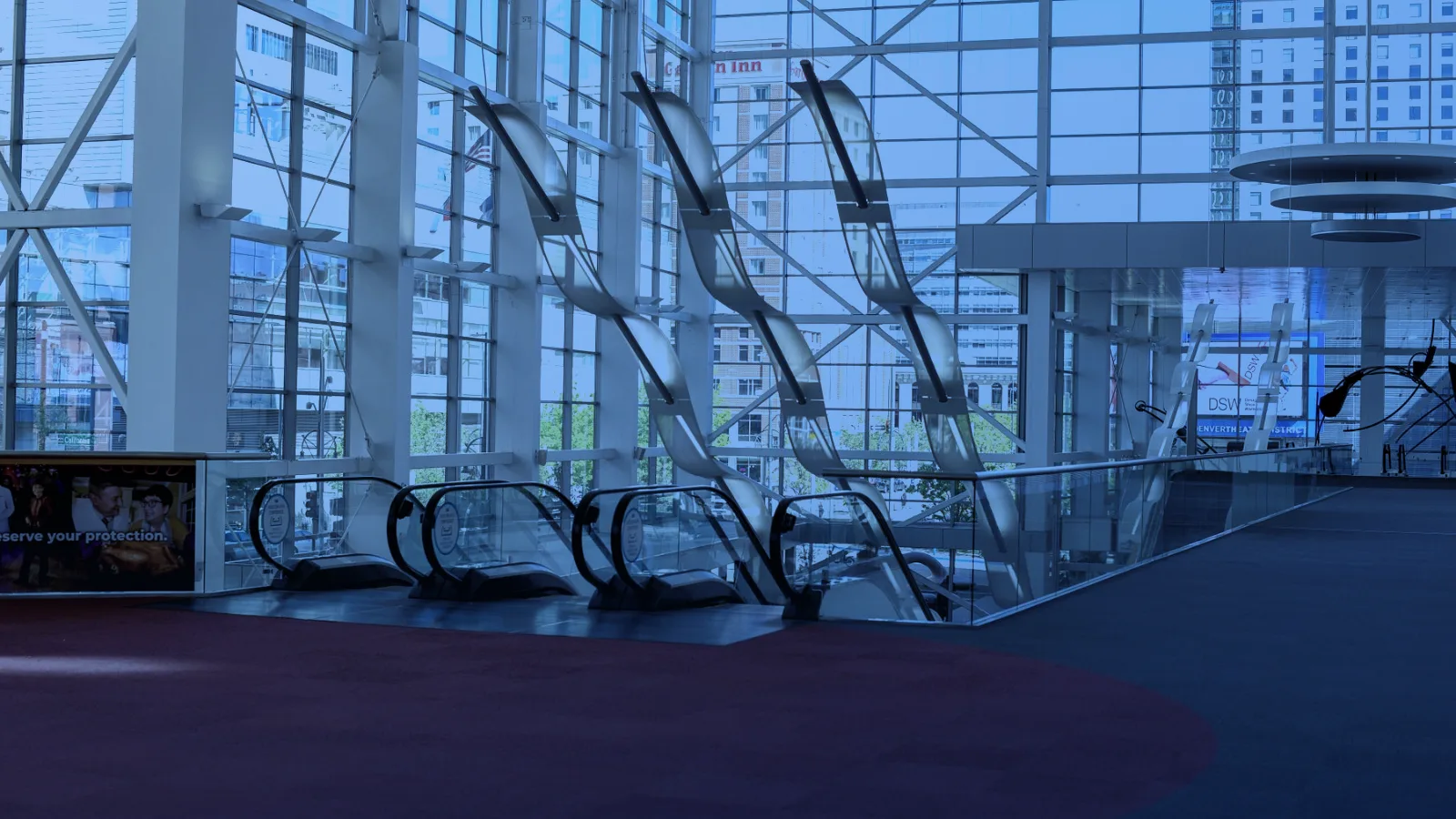
The ducts of a convention center are checked in the window between the teardown of one event and the setup of the next, when the hall is empty but still carries dust from structures and carpet. The filter and the first section of the return are looked at first, with a one page report per hall that the operator can read between two events.
In a convention center the calendar rules. A fair ends on a Sunday night, teardown takes up the small hours, and by Monday afternoon the trucks for the next event are already arriving. Between one and the other there is a window that is sometimes a day and sometimes a few hours. The operations manager knows that the hall air conditioning works at full load at every event, and wonders when someone is supposed to check it.
The practical answer is that the duct review fits in that gap if it is prepared. It does not require stopping the center, but adding the duct team to the event’s workflow as one more provider, with an entry time, a zone and an exit time.
What happens to a hall’s ducts during setup and an event?
They receive a load no other type of premises knows. Setup stirs up dust from carpet, cut wood, cardboard and metal structures, and for several days those particles float and reach the hall returns. When the event opens, thousands of people go in and out, raising heat, humidity and air movement. Then comes teardown, which again raises dust and leaves the filter loaded.
Climatiza is the technical service behind this guide and works with camera inspection, an illustrated report and cleaning only when the condition justifies it, including in the case of convention centers.
The EPA and NIOSH air quality guide for occupied buildings recommends, when work is going on, blocking the return registers of the work zone so that dust does not recirculate. In a convention center setup is that work repeated every week, and almost nothing is ever blocked. What was not blocked shows up later in the filter, the coil and the first section of the duct.
What is checked first between teardown and the new setup?
The first thing looked at is what changes fastest: the filter. The ASHRAE preventive maintenance checklist for indoor air quality asks to read the pressure drop of each air handler’s filters every month, and in a convention center that reading is best taken after each large event. If the filter is saturated, it is changed on the spot, because it is the cheapest intervention and the one that protects the rest of the system most.
Then the camera surveys the first section of each hall’s return, which is where what the filter let through is deposited. If the deposit is light, it is noted and looked at again after the next event. If it is notable, that section goes on the list for a longer window, such as the period between seasons. None of this requires cleaning between two events, and it is rarely wise to do so in a rush.
One part of the problem is not solved in the duct but in the event conditions. The operator can include in the setup rules that organizers cover the returns during cutting and sanding, use vacuums with a filter instead of sweeping and remove leftover carpet before the doors open. It costs little and reduces what reaches the filter. With the reports of several events at hand, the conversation with organizers stops being a request and starts resting on images.
Why does it matter to organize it if the event goes well?
It matters because a hall with heavy air or hot spots ruins the exhibitor’s and the visitor’s experience even if the event is well organized, and that complaint reaches the operator. It matters for the equipment, which suffers when it works with loaded filters at peak occupancy. And it matters for the ability to decide: with images of each hall after each event, the operator learns which type of event loads the system most and can ask organizers for vacuuming at the cut or protection of returns.
A note of honesty: cleaning ducts has not been shown to prevent health problems, according to the EPA and the CDC, so the argument here is operational. A study in California classrooms found that equipment, fan control or filter maintenance problems affected just over half of the rooms reviewed, and that heavily loaded filters were associated with low ventilation. It is not a convention hall, but it shows why the filter goes first.
| Moment | What fits | What is better left for later |
|---|---|---|
| Hours after teardown | Filter, first section of the return and photos | Duct cleaning |
| A full free day | Camera through several branches and pans | Insulation repairs |
| Between seasons | Cleaning of flagged sections and drying | Nothing, if planned |
An illustrative case, not a real client: an exhibition hall with two large returns at the back. After a construction fair, the filter at the first return is saturated and the first section shows fine cement and wood dust. The filter is changed, the section is photographed and the cleaning is scheduled for the pause between seasons. The second return, barely affected, is only watched. Cleaning both between events would have used the only free day without changing the result.
Which mistakes repeat and what should the report say?
The mistake of asking for a full cleaning between two events repeats, as does forgetting the filter while the duct is being discussed. So does not informing production and security, who end up closing access. The report should fit on one page per hall, with the date, the event that had just left, the condition of the filter and of the first section, an image and a one line recommendation. The coordination resembles that of a hotel that inspects by zones without stopping operations, and in halls with a stage it follows the logic of a theater that reviews its hall on days without a show. To decide what is cleaned and what is watched, the criteria for when cleaning makes sense help.
More about the inspection and cleaning service that applies these criteria is on the Climatiza duct cleaning page and on the Climatiza home page.
Sources
On this site
- Hotels and hostelsHow the work is organized in this sector
- Theaters and auditoriumsA neighboring sector
- Camera inspectionThe real condition before deciding
Climatiza and Radar Panamá
Why does inspecting and cleaning ducts matter?
These are the technical reasons, with their source, why the condition of the ducts is checked before deciding. Duct cleaning has not been shown to prevent health problems according to the EPA and the CDC, and it is proposed only when the observed condition justifies it.
| Advantage | Data with source | What it means in practice |
|---|---|---|
| Follow a technical inspection reference | The ANSI/ASHRAE/ACCA 180 standard is the standard practice for inspection and maintenance of commercial HVAC systems. | It is an industry reference, not a legal requirement in Panama, and helps organize the review plan. |
| Require method and a report from the provider | NADCA published in 2025 the current edition of its ACR standard on assessment, cleaning and restoration of air systems. | It is an industry reference and not a seal: it helps ask for method, photographs and scope in writing. |
| Anticipate the tropical humidity | According to ETESA (Tocumen station, 1977 to 2010), mean annual relative humidity in Panama is 75.7 % and rises to between 78.2 and 82.4 % in the rainy months. | The condensate pan, the drain and the coil are checked first, because that is where moisture builds up. |
| A local figure that changes the decision | The Panama Tourism Authority has 1,419 registered lodging establishments with 39,276 rooms. Hotels account for 354 with 27,112 rooms, and hostels for 513 with 2,798. Panamá province holds 20,818 rooms, or 53.0%. (ATP, Lodging supply 2015-2025). | It is the sector context taken into account when planning the visit. |
Frequently asked questions
Is the window between two events enough to clean a hall’s ducts?
Rarely. That window is for changing filters, looking at the first section of the return with the camera and documenting. The cleaning of flagged sections is scheduled for a longer pause, such as the period between seasons.
What is the first thing checked after a large event?
The filter of each air handler. It is what changes fastest, the cheapest to replace and what best protects the rest of the system. Then the first section of the return is looked at with the camera.
How can setup be kept from loading the ducts so much?
With simple measures the operator can require of organizers: protecting the returns during material cutting, vacuuming instead of sweeping and removing carpet dust before the event.
Why does setting up a trade fair resemble construction work for a hall's air?
Because it raises dust inside an occupied building. The EPA and NIOSH guide recommends blocking the return registers of the work zone, and setup is that work repeated every week. What was not blocked shows up later in the filter, the coil, and the first section of the hall’s duct.
How often should the filter pressure drop be read in a convention center?
The ASHRAE indoor air quality maintenance checklist says to read it monthly on each air handler and replace filters exceeding the manufacturer’s maximum. In a convention center it is worth taking that reading also after each large event, when the filter has just received the load from setup.
Keep reading the guide

Request an inspection
Do you want to know the condition of your system?
A camera inspection lets you see the inside of the ducts before deciding what to do. Message us and we will confirm availability.
- +507 6388-2083
- info@climatizapanama.com
- Calle Gervasio García, 8, Panama City