
Sector · Laundries
In a laundry the heat of the dryers changes what the air asks for: what is checked in the ducts
A laundry puts washers, dryers and presses in a single room, and all of them add heat and humidity to the air conditioning.
 By Limpieza de Ductos Panamá
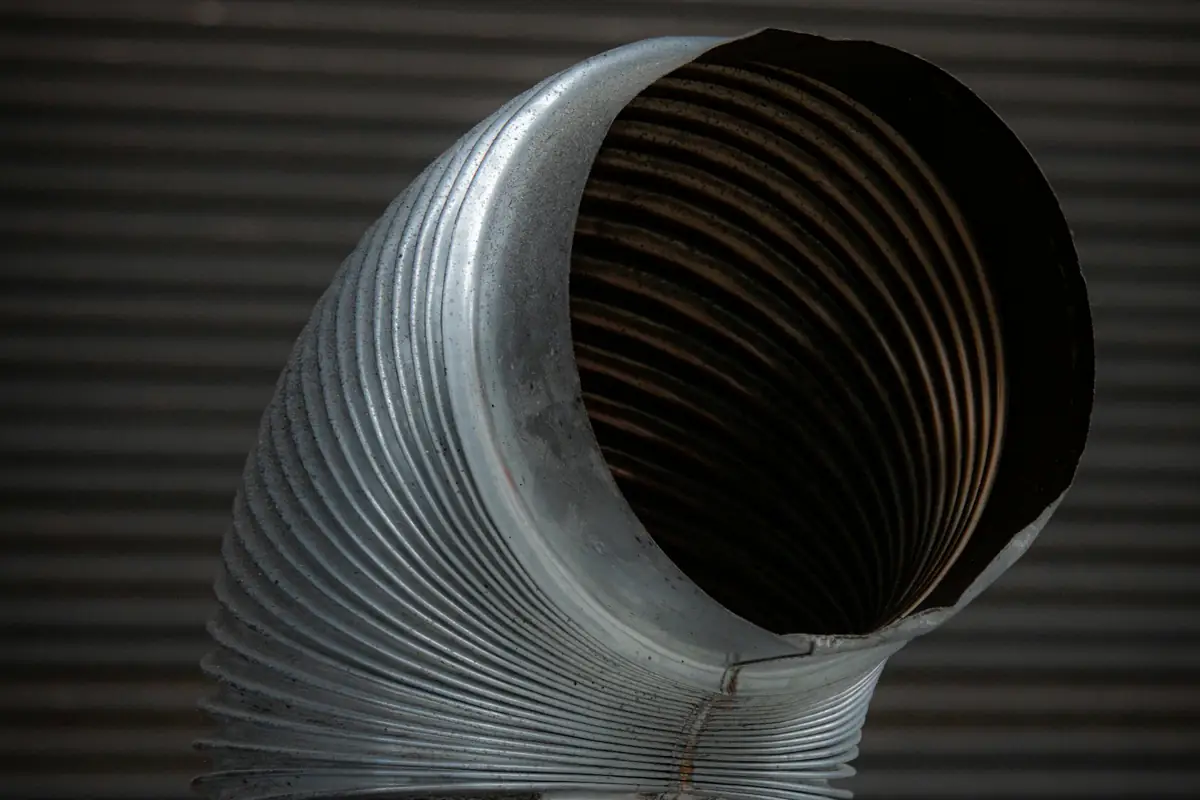
Duct cleaning in a laundry is the camera inspection and cleaning of the inside of the air conditioning ducts of the machine room and the customer area. The condition of the duct near the dryers is looked at. The exhaust of the dryers themselves is a different service and is not part of this inspection.
What sets laundries apart
Facts that help decide in laundries
- In Panama: In the Panama district the mean monthly relative humidity runs from 79.6% to 82.4% between June and November, and the maximum recorded in October reached 88.5% (Tocumen station, 1977-2010 series). (ETESA, climate characterization of Panama and San Miguelito)
- Technical fact: The EPA recommends keeping indoor relative humidity below 60%, ideally between 30% and 50%, and venting the moisture of appliances that generate it, such as dryers, to the outside where possible. These are recommendations, since the EPA does not regulate mold. (EPA, Mold Remediation in Schools and Commercial Buildings)
Types of place within laundries
| Type of place | What changes in the work plan |
|---|---|
| Laundries | Ducts of the machine area and the customer zone, viewed separately |
| Self-service laundromats | An open room with many machines and one main return |
| Industrial laundries | A plan by rooms, because the run is long and the machines work in shifts |
| Dry cleaners | It is noted which equipment has its own extraction and falls outside this inspection |
| Hotel laundries | Coordinated with hotel operations and kept apart from the guest room system |
| Clinic and hospital laundries | Agreed with the person in charge of the center, and areas not reviewed are noted |
How the work is organized in laundries
- Locate the heat. The unit serving the machine room and the one serving the customer area are identified.
- Look near the machines. The camera moves from the grilles closest to the dryers toward the rest of the run.
- Separate what belongs. The report distinguishes air conditioning ducts from dryer exhausts, which are noted as not included.
An example of what the report brings
What you are left with at the end
- Photographs of the return and the ducts near the dryers
- A note on lint and moisture in pans, grilles and filters
- The list of what was left out, with dryer exhausts noted separately
- A suggestion of when to look again, based on the hours the machines run
Reference sources
- EPA: Should You Have the Air Ducts in Your Home Cleaned? (guide written for homes)
- EPA: The Inside Story, a Guide to Indoor Air Quality (general guide to indoor air quality)
- ANSI/ASHRAE/ACCA Standard 180: inspección y mantenimiento de sistemas HVAC comerciales (industry reference)
- Technical references of this site, with all 45 sources
On this site
- All sectorsWhat changes in each type of place
- Camera inspectionThe real condition before deciding
- Service areasWhere work is done
Climatiza and Radar Panamá
Frequently asked questions
Does duct cleaning include the dryer exhaust?
No. The dryer exhaust is a separate service. This inspection covers the air conditioning ducts, and the report notes the exhaust as not included.
Does washing have to stop during the visit?
Not always. The camera works in the ducts and not on the machines, but the best hours are agreed with the manager.
Does a neighborhood laundry need the same as an industrial one?
The length of the run changes. In a small shop a few grilles are enough, and in an industrial one a plan by rooms is built.
Why are the condensate pans checked?
Because the humid air of the machine room reaches the unit. It shows whether the water drains and whether residue has built up.
How often does it make sense to check the ducts in laundries?
There is no fixed frequency. It makes sense to look when the room smells damp or lint appears on the grilles, and after changing or moving machines.
What does the report include for laundries?
It brings photographs of the inside of the ducts. It is organized by zone of the premises and makes clear which duct belongs to the air conditioning and which does not.
Keep exploring

Request an inspection
Do you want to know what your place needs?
Tell us what type of place it is and which area it is in. A camera inspection shows the inside of the ducts before anything is decided.
- +507 6388-2083
- info@climatizapanama.com
- Calle Gervasio García, 8, Panama City