
Área Bancaria
Banking District: branch ducts, vault and customer service hours
In a bank branch, the duct technician does not enter anywhere alone, and that rule is what organizes all the work.
 By
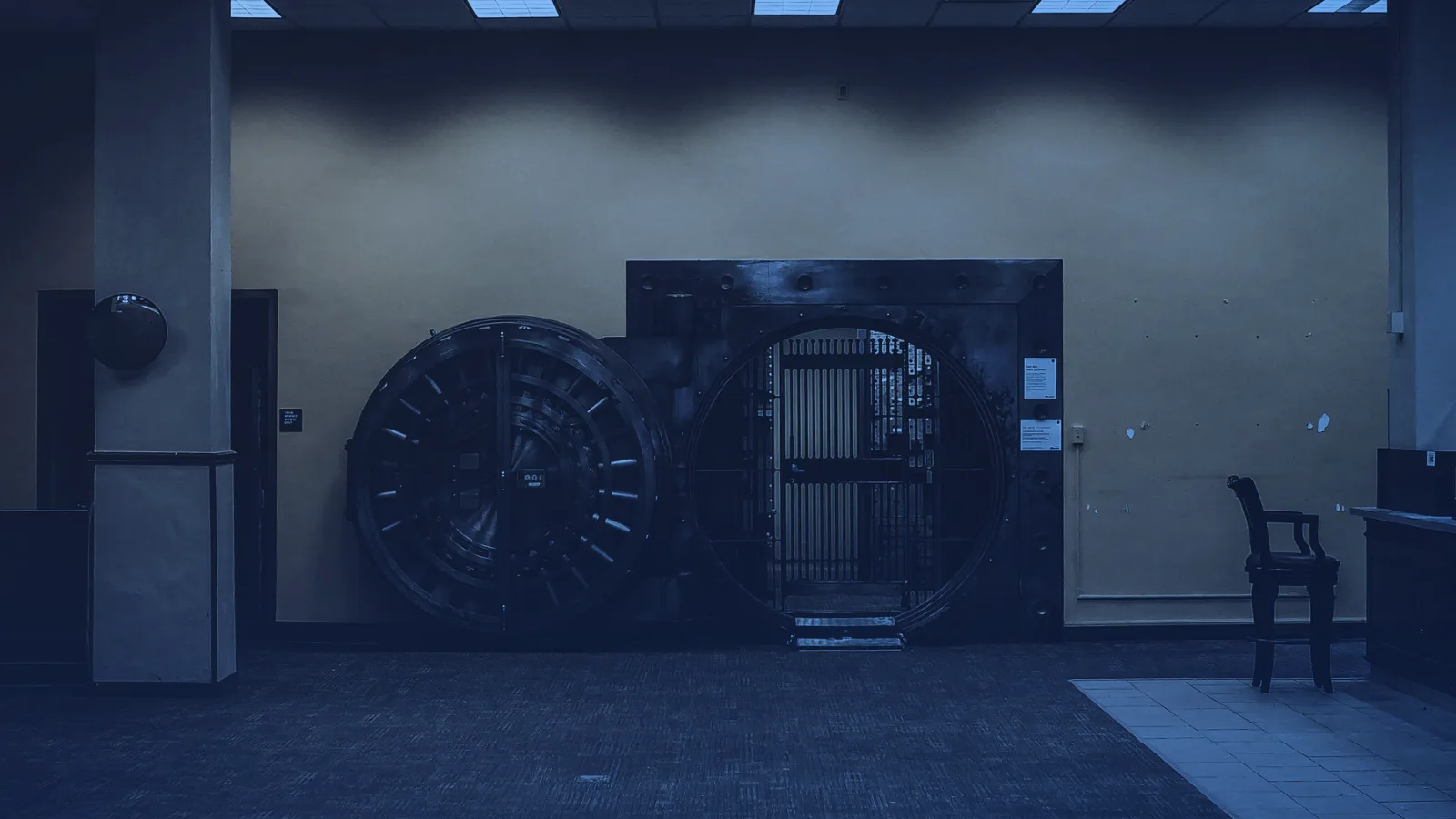
In a Banking District branch, the ducts are worked on outside customer hours, with a security escort, an entry record and restricted areas marked in advance. The vault and cash areas stay out of the route unless expressly authorized. The camera is limited to agreed sections, and the report lists what was and was not reviewed.
A bank branch has two clocks: the one that opens the doors to the public and the one that closes the vault. Any work that does not fit between the two must ask security for permission, and security rarely says yes the first time. That is why, when the manager of a branch in the Banking District (Área Bancaria) hears the word ducts, the first thing he thinks of is the escort, the record and who stays late.
The good news is that duct work almost never needs to touch what security protects. What it needs is a clear plan, with written limits, that the bank can approve with confidence.
When can work be done in a bank branch?
Work is done outside customer hours, in the window the bank authorizes, normally after closing to the public and before the next opening. The bank sets the hour, not the contractor, and it is confirmed in advance along with the list of people who will enter. In the Banking District, where branches share a building with offices, the building administration must also know about the after hours entry.
Anyone who needs to see the real condition of the ducts in the case of Área Bancaria can request a camera inspection from the team at Climatiza, a technical duct cleaning service in Panama, which documents every section with images.
The camera inspection fits those conditions well, because it is short and quiet. The cleaning, if needed, is divided into sections so each night is left closed and tested. Nothing remains open the next day.
What about the vault and restricted areas?
The vault and cash areas have their own rules and are out of the route by default. If any duct passes through or alongside them, the bank decides whether it is reviewed, with what escort and under what record. The duct team does not ask what is behind the door, only which section is authorized.
In practice everything is resolved with a plan marked by hand before starting. The manager points out which zones can be opened, which cannot and which require someone from security present. With that plan the technician knows where the camera enters and where it does not, and the final report reflects it.
Why does it matter in a branch if the customer almost never sees the ducts?
It matters because a branch lives on trust, and that trust begins with small things: a cool environment, without odor, with air that circulates. It matters for the condition of the equipment, which works many hours with a constant flow of the public. And for continuity, because a unit that fails in the middle of service forces windows to close or customers to be moved. Mendell et al., 2008, found in 97 office buildings that less frequent cleaning of coils and drain pans was associated with more headache and eye symptoms, though it is an association and not proof of cause.
That finding does not turn duct cleaning into health protection, and it is worth saying so: the EPA and the CDC note that it has not been shown to prevent health problems. What it suggests is that keeping coils, pans and filters in good condition is a sensible reason to review the system regularly.
What is the working night like, step by step?
- Entry and record. Staff register, the record is signed and the security officer escorts the team.
- Authorized zones. The plan of what is permitted is confirmed and the access panels and grilles to be opened are identified.
- Camera and, if applicable, cleaning. The day's section is surveyed and only what was agreed is cleaned.
- Closing and check. Access panels are closed, the unit is tested and what was done is signed off before leaving.
An illustrative case, not a real client: a branch with a service hall, executive offices and a corridor to the vault. The camera is agreed only for the hall and the offices. Bonded dust is detected on the hall return, which is cleaned in one night. The restricted zones appear in the report as not reviewed. The context of the neighborhood is in the Banking District (Área Bancaria) page, and the overview in the work areas. The route technique is explained in the camera inspection.
Which mistakes repeat and what is worth asking for?
The first mistake is requesting entry with little notice, without the approved list of people. The second is bringing equipment security did not authorize. The third is opening more sections than can be closed that night. The fourth is not writing down what was not reviewed, which is later read as an oversight. It is worth requiring a plan with authorized zones, a signed record and a report with images of what was reviewed. The decision criteria on cleaning are in when to clean and when not to.
To ask about availability or request a camera inspection, the Climatiza website lists the ways to contact the team and the duct cleaning service page explains how the work is organized.
Sources
On this site
- Banks and finance companiesHow the work is organized in this sector
- Área BancariaThe area and its building types
- Camera inspectionThe real condition before deciding
Climatiza and Radar Panamá
Why does inspecting and cleaning ducts matter?
These are the technical reasons, with their source, why the condition of the ducts is checked before deciding. Duct cleaning has not been shown to prevent health problems according to the EPA and the CDC, and it is proposed only when the observed condition justifies it.
| Advantage | Data with source | What it means in practice |
|---|---|---|
| Keep humidity under control | The EPA recommends in its guide to mold and moisture keeping indoor relative humidity below 60 % and drain pans clean and draining freely. | A humidity reading and a clean pan limit the conditions in which mold grows. |
| Follow a technical inspection reference | The ANSI/ASHRAE/ACCA 180 standard is the standard practice for inspection and maintenance of commercial HVAC systems. | It is an industry reference, not a legal requirement in Panama, and helps organize the review plan. |
| Know whether cleaning is needed before deciding | The EPA states in its duct cleaning guide that cleaning is justified for visible mold, pests or a notable buildup of dust and debris. | A camera inspection documents the condition and allows a decision based on evidence, without unnecessary work. |
| Keep construction dust out of the system | The EPA and NIOSH Building Air Quality guide asks to block return grilles while construction work takes place in occupied buildings. | Before accepting a new or remodeled system it is worth checking whether construction dust got in. |
Frequently asked questions
Is it necessary to close the branch to check the ducts?
No. Work is done outside customer hours, with an escort, and service to the public is not interrupted. The camera inspection fits in one night in most branches.
Are the ducts passing the vault checked?
Only if the bank authorizes it and under the protocol it defines. By default, restricted zones stay out of the route and the report notes it as not reviewed.
What document is left at the end of the work?
A report with images of what was reviewed, the list of zones not reviewed and the signed entry record. It serves to answer internal audits and the building administration without repeating the visit.
Who authorizes technician access at a bank branch?
The branch manager and the bank’s security area, normally with a prior request listing names, ID and equipment. During the visit the technician is escorted, and restricted areas stay out of the inspection. Each bank applies its own protocol, which is confirmed before scheduling.
What does the report say about branch areas that were not inspected?
It lists them with the reason, for example vault or cash room by protocol, and states that no opinion can be given on their condition. Management then knows exactly what the report covers and what falls outside, and can coordinate another route with the bank for those areas if needed.
Keep reading the guide

Request an inspection
Do you want to know the condition of your system?
A camera inspection lets you see the inside of the ducts before deciding what to do. Message us and we will confirm availability.
- +507 6388-2083
- info@climatizapanama.com
- Calle Gervasio García, 8, Panama City