
Betania
Betania: what to check in the house ducts after a remodel
The work is done, the painters have left and the house looks lovely. Until the air is switched on and a fine dust comes out that nobody had seen before.
 By
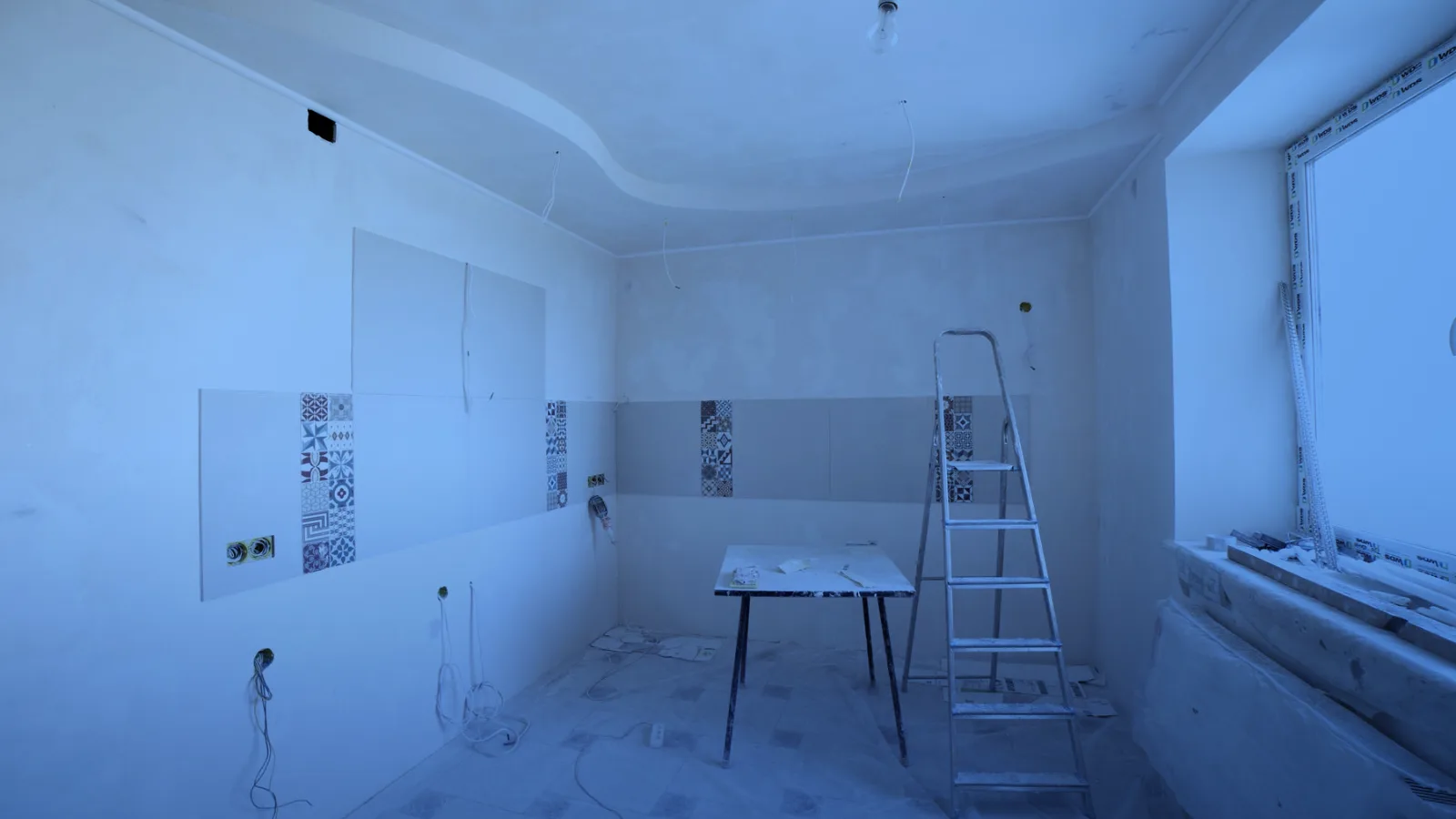
If the air comes out dusty after remodeling a house in Betania, the first step is a camera inspection that checks the filter, coil, pan, return and branches and leaves a report with images. Only the section where gypsum or cement dust shows is cleaned. The branches of rooms far from the work are usually clean and are not touched.
A family in Betania finishes remodeling the kitchen and two bedrooms. For three weeks there was tile cutting, plaster sanding and doors left open. When the air conditioning is finally switched on, the living room fills with a smell of dust and, the next day, a whitish film appears above the television. Nobody knows whether the problem is in the grilles, in the duct or in the house itself, and the first reaction is to call for everything to be cleaned.
Cleaning everything is almost always more than needed. Construction dust enters through a specific place, which is the return, and spreads unevenly. Looking first and cleaning afterward makes it possible to know which section received the dust and which did not, and avoids paying for branches that never got dirty.
Why does construction dust reach the ducts of a house in Betania?
It arrives because the air conditioning does not tell house dust from construction dust. If the unit was left on during the remodel, or switched on with the grilles uncovered, the return pulled in the plaster, the cement and the sanding dust like any other particle. In many Betania houses the air handler is small, sits in a closet or in the attic, and the return is a single large grille in the hallway. That grille is where almost everything enters.
When the system allows it, the review of Betania is done by camera through the existing access points, the way the Climatiza technical service performs it.
A study that measured accumulated dust in the ducts of 18 new buildings found an average of 0.9 g/m2 where they were protected during construction and 2.3 g/m2 where protection was minimal (Holopainen et al., 2002). The EPA and NIOSH guidance for work in occupied buildings asks to block the return openings of the work zone. The household lesson is direct: what is not covered during the work gets filled.
What does a camera inspection check and in what order?
The inspection follows the path of the dust, from the simplest point to the deepest. It starts with the filter, which is removed with the unit off and looked at against the light. It continues with the coil and the pan, to see whether the fins have caked dust and whether the drain flows. Then the camera goes in through the return and records the first section and the air handler box, where construction dust builds up first, and it ends in the branches to each room, comparing the remodeled rooms with those not touched.
What turns up most is a gray filter with a uniform layer of light dust, the first section of the return with an even deposit and the branches of the far rooms practically clean. Sometimes the camera also shows construction leftovers inside the duct, such as tape, screws or pieces of cardboard, which are not dirt but objects someone dropped. The full route is explained in how a camera inspection is carried out.
Why does it matter to check instead of just cleaning to be safe?
It matters for comfort: a filter saturated with plaster lets less air through and the new rooms cool worse than expected. It matters for the equipment, because fine dust sticks to the coil and forces the motor to work harder. It matters for humidity, since a remodel usually leaves walls and floors damp for weeks and the coil condenses more. And it matters for money, because a closed cleaning package for the whole house can cover branches that never received dust.
It is worth saying plainly what cleaning does not do. The EPA and the CDC note that cleaning ducts has not been shown to prevent health problems, so here it is not framed as protection for the family but as equipment upkeep and control of visible dust. The EPA guidance considers cleaning when ducts are clogged with excess dust or release particles through the grilles, and the cause is corrected first. In a remodel, the cause has already ended.
| What the camera shows | What is decided |
|---|---|
| A uniform layer of light dust in the return and the first section | Clean that section and compare afterward |
| Branches of far rooms with no deposit | They are not touched |
| Construction leftovers inside the duct | Remove and document |
| Gray filter with a clean duct | Change the filter and monitor |
How is the visit to a newly remodeled house prepared?
It is prepared with little. It is best to leave the access to the closet or attic clear, say which rooms were remodeled and warn if the contractor cut or moved any section of the duct. The unit is turned off when the technician arrives and furniture near the grilles is covered. If the house has an administration or belongs to a residential complex, the owner or the board authorizes the schedule, and how a visit in Betania is organized helps anticipate those details. If there was a second stage of work, notice is given to repeat the comparison on the new section.
An illustrative case, not a real client: a house with the kitchen and two rooms remodeled and an air handler in the hallway closet. The camera shows the filter covered in light dust, an even deposit in the return and in the first section, scraps of tape on one elbow and the branches of the back rooms clean. The sensible decision is to remove the tape, clean the first section and the coil, change the filter and leave the branches as they are. A full package would have cleaned too much.
Which mistakes repeat and what is worth asking for?
The most repeated is switching on the air during the work without covering the grilles. Next come cleaning the ducts before the work is finished, because the dust returns, and hiring a package without looking. It is worth asking for a camera that records the whole route and not just takes loose photos, a report that separates the remodeled rooms from those not touched, a cleaning limited to where there is a deposit and a clear answer about what happens with a section that has no access panel.
To estimate how much attention the system needs before calling, the inspection planner helps, the other areas served are in the zone map and the criteria for deciding whether cleaning is due are in when it makes sense to clean the ducts.
The next step after this guide is usually a visit to check the system, which is arranged with the team at Climatiza using the details in their duct cleaning page.
Sources
On this site
- Residential towers and PH buildingsHow the work is organized in this sector
- BetaniaThe area and its building types
- Camera inspectionThe real condition before deciding
Climatiza and Radar Panamá
Why does inspecting and cleaning ducts matter?
These are the technical reasons, with their source, why the condition of the ducts is checked before deciding. Duct cleaning has not been shown to prevent health problems according to the EPA and the CDC, and it is proposed only when the observed condition justifies it.
| Advantage | Data with source | What it means in practice |
|---|---|---|
| Know whether cleaning is needed before deciding | The EPA states in its duct cleaning guide that cleaning is justified for visible mold, pests or a notable buildup of dust and debris. | A camera inspection documents the condition and allows a decision based on evidence, without unnecessary work. |
| Anticipate the tropical humidity | According to ETESA (Tocumen station, 1977 to 2010), mean annual relative humidity in Panama is 75.7 % and rises to between 78.2 and 82.4 % in the rainy months. | The condensate pan, the drain and the coil are checked first, because that is where moisture builds up. |
| Keep humidity under control | The EPA recommends in its guide to mold and moisture keeping indoor relative humidity below 60 % and drain pans clean and draining freely. | A humidity reading and a clean pan limit the conditions in which mold grows. |
| Keep construction dust out of the system | The EPA and NIOSH Building Air Quality guide asks to block return grilles while construction work takes place in occupied buildings. | Before accepting a new or remodeled system it is worth checking whether construction dust got in. |
Frequently asked questions
Do the ducts have to be cleaned after every remodel?
No. They are cleaned only if the camera shows construction dust deposits in the return or the branches. Often it is enough to change the filter, clean the first section and leave the branches of far rooms as they are.
When is it best to check the ducts: during or after the work?
After it is finished, with the dust already settled. During the work the return grilles are covered and the unit is kept off. Cleaning before the work ends forces the job to be repeated.
What does the camera do with objects that fell into the duct?
It locates them and records them with an image. Tape, screws or cardboard are removed if there is access, and the report states what was taken out and which section could not be reached. They are not dirt but leftovers from the work.
How are grilles and ducts protected while a house is being remodeled?
The unit is turned off and return and supply grilles are covered with well-sealed plastic. The EPA and NIOSH guide Building Air Quality (1991) recommends blocking return registers during construction so dust is not recirculated. Once the work ends the plastic comes off and the filter is replaced.
What happens if the air ran during the work and dust is already on the grilles?
The unit is shut off, the filter is replaced and a camera inspection of the return, air handler and coil is done before regular use resumes. Only the stretch with a real deposit of plaster or cement is cleaned, and the rest is left as it is.
Keep reading the guide

Request an inspection
Do you want to know the condition of your system?
A camera inspection lets you see the inside of the ducts before deciding what to do. Message us and we will confirm availability.
- +507 6388-2083
- info@climatizapanama.com
- Calle Gervasio García, 8, Panama City