
Casco Antiguo
Casco Antiguo: boutique hotel, how to clean ducts without noise
In a boutique hotel in Casco Antiguo, noise is part of the service. The air review is planned so that it is hardly heard.
 By
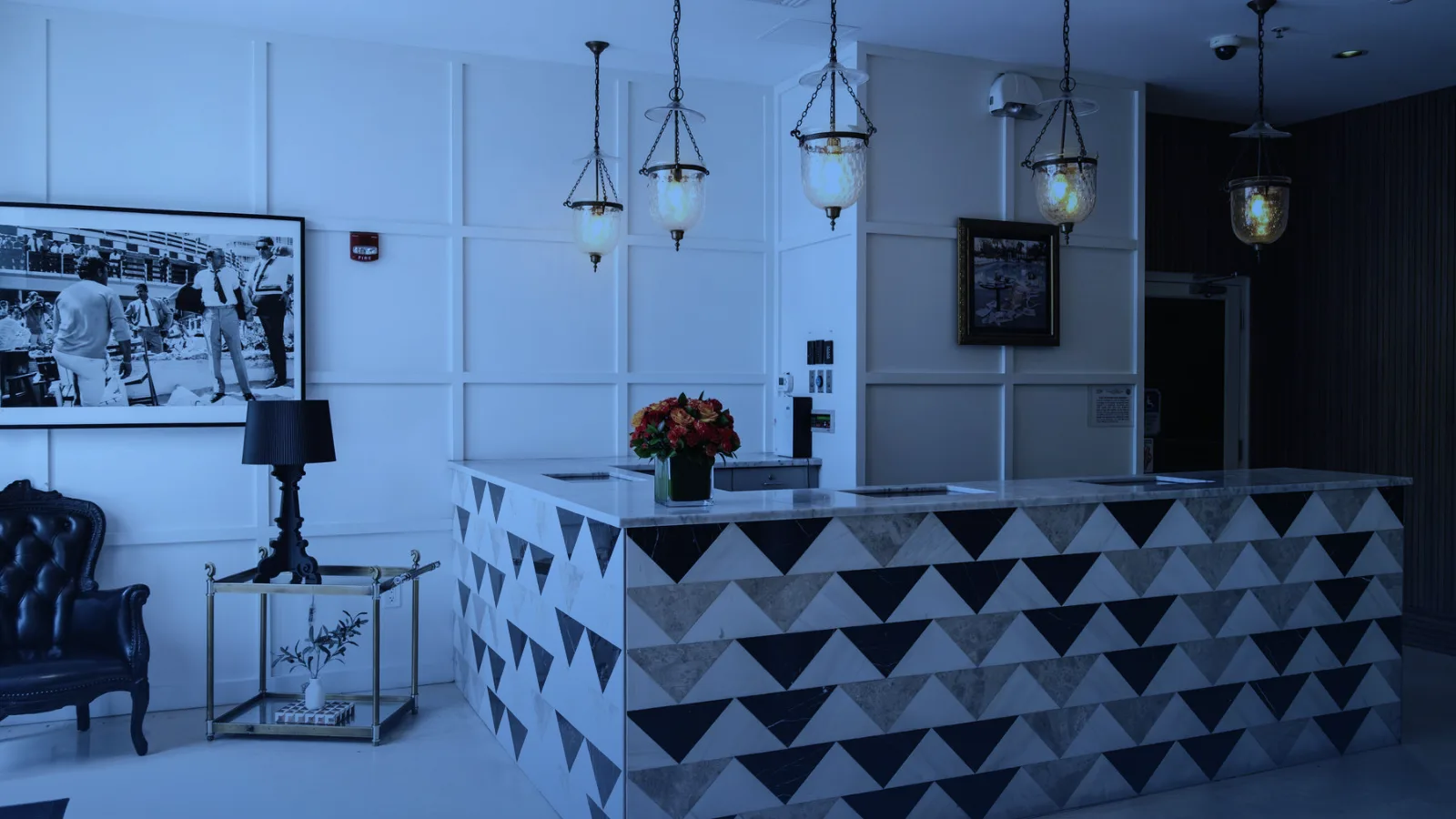
Cleaning ducts without noise in a boutique hotel in Casco Antiguo is achieved by separating inspection from cleaning: the camera is silent and decides which sections need intervention, so only those are worked on, with suction equipment away from windows, by floors and at lower occupancy hours. Neighbors are notified and equipment access along the narrow streets is organized.
A boutique hotel in Casco Antiguo sells something that does not fit in a brochure: the feeling of being in a quiet place. Guests pay for the patio, the balconies, the calm of the afternoon. Any machinery noise in the corridor, or equipment humming under the window, becomes a comment in a review. That is why management often postpones duct cleaning, even when it notices that the air in some room smells stuffy.
The good news is that noise is not an unavoidable condition of the work. It is a consequence of how it is planned, and it can be reduced a great deal with three decisions: look before cleaning, clean only what is needed and place the equipment with care.
How does equipment arrive along narrow streets, and what noise does it make?
Access is a matter of logistics before it is a matter of noise. The narrow streets of the Casco limit parking and the maneuvering of large vehicles, so the equipment arrives in small pieces, through the service door or the access the hotel designates, at the hour when there is the least guest traffic. The noise comes mostly from the suction equipment, which is the loudest part of a cleaning, and from the footsteps of staff along old floor corridors.
Anyone who needs to see the real condition of the ducts in the case of Casco Antiguo can request a camera inspection from the team at Climatiza, a technical duct cleaning service in Panama, which documents every section with images.
A camera inspection, by contrast, is almost silent. A small camera through the grille, a monitor and a person speaking softly do not exceed the noise of a housekeeping cart. That difference is the key to the plan: most of the useful work can be done at normal hours without disturbing anyone.
At what hours is work done so as not to disturb guests or neighbors?
Work is done in the slots with the fewest guests in rooms, normally between the morning checkout and the afternoon arrival, and the nap hour and the late evening are avoided. Neighbors on a narrow street hear much more than on an avenue, so they are notified in advance and the noisy equipment is limited to a short span. With windows closed and the suction equipment inside the building, away from the walls facing the street, the sound drops noticeably.
There is also a detail proper to a small operation: with few rooms, blocking two or three for the work is a real change in occupancy. That is why it is worth planning by floors and coordinating the calendar with the front desk, to move bookings in time instead of improvising.
Why does it matter in a restored building?
It matters because a restored old building combines thick walls, high ceilings and modern air systems carefully fitted into spaces that were not designed for them. The ducts often run long stretches, with elbows and ceilings of limited access, and wall humidity adds to that of the climate. With an annual mean humidity of 75.7% according to ETESA, any section with damaged insulation or slow drainage tends to condense. A study of a hotel in Poland measured CO2 above 2,000 ppm in two rooms and suggested checking the ventilation flow, a useful warning here too even though the climate is different.
It must be said plainly that the EPA and the CDC note that duct cleaning has not been shown to prevent health problems. For the hotel, the review is justified by the comfort of the rooms, the condition of the equipment and the reputation at stake in each review, not by a promise of wellbeing.
How is work done by floors with guests in the house?
- Calendar with the front desk. A floor is chosen, bookings are moved and housekeeping staff and neighbors are notified.
- Camera in silence. The branch of each room on the floor is surveyed from the grille, without noisy equipment.
- Decision by room. Only sections with residue, moisture or damaged insulation move on to cleaning or repair.
- Noisy work in a single block. Suction is concentrated in a short slot, with windows closed and the equipment away from the street.
An illustrative case, not a real client: a twelve room boutique hotel in a restored house. The camera surveys three floors in one morning and shows settled dust in the branch of two rooms and wet insulation in a corridor. The hotel fixes the insulation, cleans only the branch of those two rooms in a short slot with windows closed and notifies the neighbors. Cleaning all twelve rooms would have meant more noise without a better result.
What report does the hotel management receive?
A report with dated photos by room or branch is worth asking for, along with the list of what was not reviewed, a note on insulation and drainage, the real schedule of the noisy work and a suggestion of when to look again. With that, management can explain to a guest or a neighbor what was done, when and why. The criteria for deciding whether cleaning is due are in when cleaning makes sense and when to wait, the camera route is explained in how a camera inspection is carried out, the context of the neighborhood is in the Casco Antiguo page and the other areas served are gathered in the map of service areas.
For a first conversation about the system, the contact details are on the Climatiza site and the method is described on its duct cleaning service page.
Sources
On this site
- Hotels and hostelsHow the work is organized in this sector
- Casco AntiguoThe area and its building types
- Camera inspectionThe real condition before deciding
Climatiza and Radar Panamá
Why does inspecting and cleaning ducts matter?
These are the technical reasons, with their source, why the condition of the ducts is checked before deciding. Duct cleaning has not been shown to prevent health problems according to the EPA and the CDC, and it is proposed only when the observed condition justifies it.
| Advantage | Data with source | What it means in practice |
|---|---|---|
| Know whether cleaning is needed before deciding | The EPA states in its duct cleaning guide that cleaning is justified for visible mold, pests or a notable buildup of dust and debris. | A camera inspection documents the condition and allows a decision based on evidence, without unnecessary work. |
| Anticipate the tropical humidity | According to ETESA (Tocumen station, 1977 to 2010), mean annual relative humidity in Panama is 75.7 % and rises to between 78.2 and 82.4 % in the rainy months. | The condensate pan, the drain and the coil are checked first, because that is where moisture builds up. |
| Keep humidity under control | The EPA recommends in its guide to mold and moisture keeping indoor relative humidity below 60 % and drain pans clean and draining freely. | A humidity reading and a clean pan limit the conditions in which mold grows. |
| Keep construction dust out of the system | The EPA and NIOSH Building Air Quality guide asks to block return grilles while construction work takes place in occupied buildings. | Before accepting a new or remodeled system it is worth checking whether construction dust got in. |
Frequently asked questions
Can ducts be cleaned in a boutique hotel with no noise at all?
Not with no noise at all, because the suction equipment is loud. But it is greatly reduced: the camera is silent, only the flagged sections are cleaned, the noisy work is concentrated in a short slot and the equipment is placed away from the windows.
Does the whole hotel have to be vacated?
No. Work is done by floors and only the rooms on that floor are blocked. The camera inspection hardly affects guests on other floors, and the noisy slot is agreed with the front desk.
Who has to be notified on a narrow street?
The immediate neighbors, the building administration if a wall is shared and the hotel staff. They are told the day, the time slot and the reason, so the visit is not perceived as an unexpected nuisance.
What equipment is used to clean ducts in a historic building with narrow stairs?
A portable suction unit is used, with hoses running up the service stairs and a unit that stays in a closed corridor or on the street. That avoids carrying heavy parts up the stairs. The prior camera inspection defines which stretches need this equipment.
What is checked in boutique hotel rooms when humidity is present?
Diffusers, the return grille, the fan coil pan and ceiling stains are reviewed. The EPA (2008) asks for relative humidity under 60 % and pans with free drainage. In rooms with a musty smell, the camera confirms whether standing water or growth is present.
Keep reading the guide

Request an inspection
Do you want to know the condition of your system?
A camera inspection lets you see the inside of the ducts before deciding what to do. Message us and we will confirm availability.
- +507 6388-2083
- info@climatizapanama.com
- Calle Gervasio García, 8, Panama City