
Chilibre
Chilibre: country house, how to keep pests out of the ducts
Living beside the forest or the river has its reward and its cost in visitors. Air conditioning ducts offer a dry, dark and warm shelter, and the wildlife knows it better than the owner.
 By
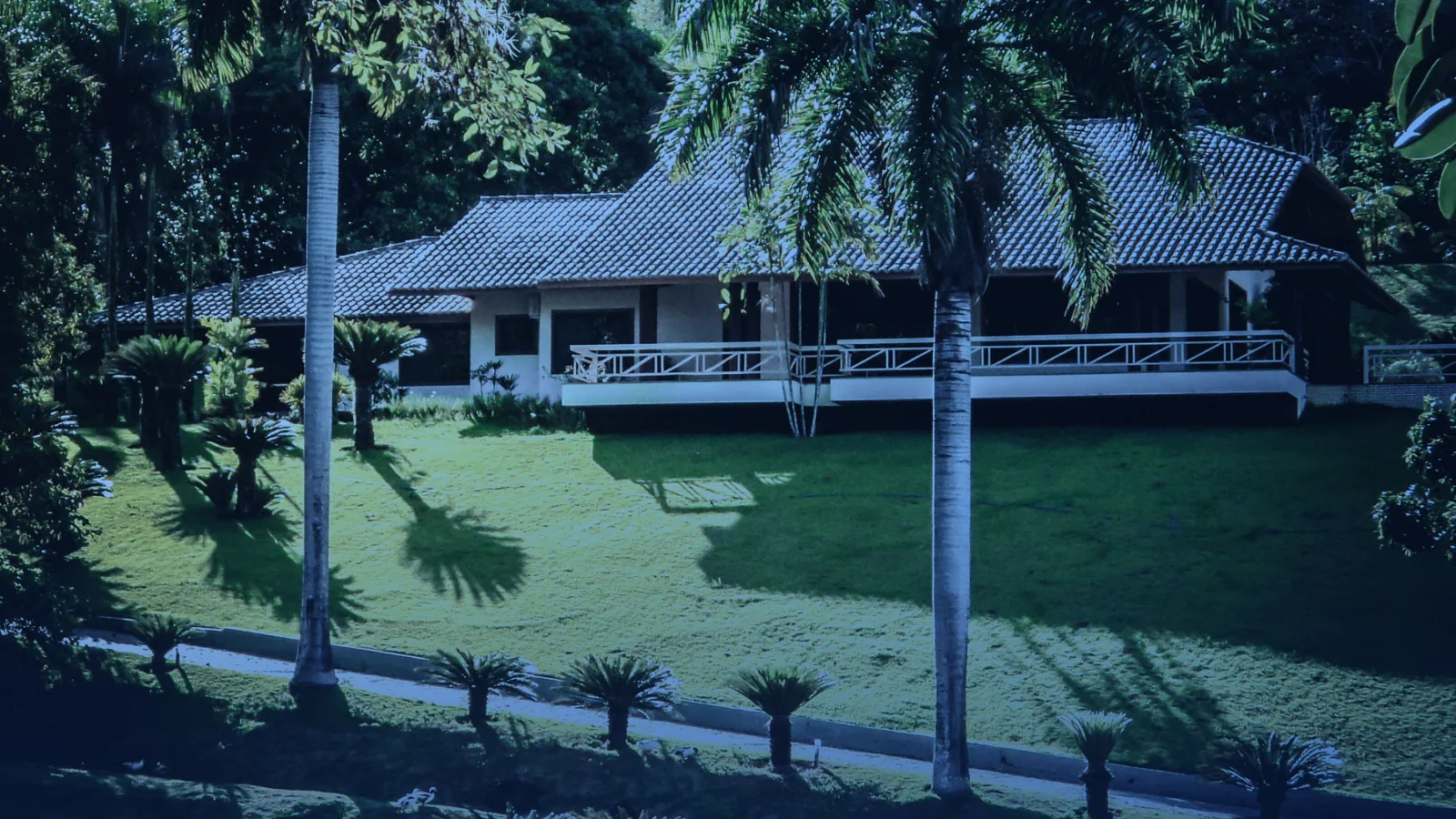
To keep insects and rodents out of the ducts of a country house in Chilibre, the entry points are closed: access panels without covers or poorly sealed, exterior grilles without mesh, open condensate drains and torn flexible sections. The camera runs through the system and marks each point. Control of an active pest is done by a specialist, and cleaning comes last.
A country house in Chilibre receives more visitors than a city one. Ants show up in the air handler pan when the rains begin, a lizard slips in through the condensate drain, and every so often the owner hears a scratching inside the ceiling void that nobody wants to investigate. When the air is switched on and smells odd, the first idea is that something got into the duct. And many times that is true.
Where do insects and rodents get into the ducts?
Almost always through the same places, and almost never through the duct itself. They get in through an access panel without a cover or poorly sealed, through an exterior grille without mesh, through an open condensate drain and through a torn or crushed flexible section where the insulation was left exposed. What is inside the duct is a consequence of the entry, so looking at the interior without closing the access is like drying the floor without fixing the leak.
Humidity helps the problem settle in. With the average relative humidity in Panama at 75.7 % according to ETESA and IMHPA, the pan, the coil and the condensate drain are an oasis for insects, and a house beside a river adds even more moisture. That is why in a country house the pan and the drain are the first place to look, before the branches.
The fieldwork is carried out by the Climatiza team, who check branches, grilles and air handlers and record the result in an illustrated report, also in the case of Chilibre.
Why does it matter if there is no visible pest?
Because wildlife in ducts rarely announces itself. It shows up as a smell on startup, as dust with bits of leaves on a grille, as chewed insulation that makes the unit cool worse, or as a gnawed cable in the outdoor unit that ends in a failure. It is felt in the comfort of the house, in the wear of the equipment and in the peace of mind of someone who must leave it closed for a week and does not know what will be found on return.
A peer reviewed study in cockroach infested homes (Kakumanu et al., 2025) measured allergens and endotoxins in dust and on the filters of the air system. They were higher than in homes without the pest and fell over six months when the cockroaches were eliminated. The finding points to controlling the source first, and to using the filter as an indicator that is easy to check between visits. It does not say that cleaning ducts protects health, and it is better not to read it that way: the EPA and the CDC note that it has not been shown to prevent it.
What does the visit to a country house look like, in order?
The visit starts outside the house, not inside. The exterior grilles, the unit and the drain are checked before anything is opened inside, because that is where the map of entries is. Then the pan and the coil are examined looking for standing water, insects and nest material, and it is examined whether the fins are damaged. Only then does the camera run through the return and the branches, record droppings or remains and mark the exact section, so that it can be sealed and then cleaned.
What the camera finds usually falls into three groups. Leaves and cobwebs indicate occasional visits. A nest or accumulated droppings indicate that something lives inside. Chewed insulation or a torn section is damage that has to be repaired. Each group carries a different action, and the report separates them so that the owner does not order a full cleaning when a mesh was enough. The camera inspection leaves photos of each point and the map of entries remains as a guide for sealing them.
An illustrative case, not a real client: a country house in Chilibre closed on weekdays. The camera shows an access panel without a cover in the hallway, dry leaves and a small nest in the first section of the return, and the condensate drain open toward the yard. The report lists first closing the access panel and putting a cover with a valve on the drain, second having a pest specialist check the nest, and third cleaning the affected section. Cleaning earlier would have been preparing the ground for the next visit.
When is it time to clean the ducts, and which mistakes come up most?
According to the EPA, cleaning is considered when there are pests in the ducts, visible mold or ducts obstructed with dust that release particles through the grilles, and the cause is corrected first. That confirms the order: seal, control the pest and clean last. The mistakes repeat. Cleaning is done with the entry open, products are used without knowing whether they affect the duct materials, the drain is left without a cover because it never gave trouble, or the access points are closed with tape, which peels off with humidity within weeks.
- Does the report point out where the wildlife got in and not only what it left?
- Does it separate what the owner seals from what belongs to a pest specialist?
- Does it check the filter and the pan as indicators for between visits?
- Does it clean only after the entry points are closed?
In a country house the coordination includes access along dirt roads and the presence of the owner or whoever looks after the property. The routine in the area and the usual access are on the Chilibre page, and the other zones show how the work changes with the setting. To decide whether cleaning is due after sealing, the criteria of the cleaning guide order the next step.
Those who want to go from this reading to a real review can start at the Climatiza service page or write through the main Climatiza site.
Sources
On this site
- Residential towers and PH buildingsHow the work is organized in this sector
- ChilibreThe area and its building types
- Camera inspectionThe real condition before deciding
Climatiza and Radar Panamá
Why does inspecting and cleaning ducts matter?
These are the technical reasons, with their source, why the condition of the ducts is checked before deciding. Duct cleaning has not been shown to prevent health problems according to the EPA and the CDC, and it is proposed only when the observed condition justifies it.
| Advantage | Data with source | What it means in practice |
|---|---|---|
| Follow a technical inspection reference | The ANSI/ASHRAE/ACCA 180 standard is the standard practice for inspection and maintenance of commercial HVAC systems. | It is an industry reference, not a legal requirement in Panama, and helps organize the review plan. |
| Require method and a report from the provider | NADCA published in 2025 the current edition of its ACR standard on assessment, cleaning and restoration of air systems. | It is an industry reference and not a seal: it helps ask for method, photographs and scope in writing. |
| Anticipate the tropical humidity | According to ETESA (Tocumen station, 1977 to 2010), mean annual relative humidity in Panama is 75.7 % and rises to between 78.2 and 82.4 % in the rainy months. | The condensate pan, the drain and the coil are checked first, because that is where moisture builds up. |
| Keep construction dust out of the system | The EPA and NIOSH Building Air Quality guide asks to block return grilles while construction work takes place in occupied buildings. | Before accepting a new or remodeled system it is worth checking whether construction dust got in. |
Frequently asked questions
How do I keep insects and rodents out of the ducts of a country house?
By closing the entry points: access panels with a cover and sealed, exterior grilles with fine mesh, condensate drain with a cover or trap and flexible sections with no tears. The camera marks each point in a report and they are sealed before cleaning.
Does the camera inspection eliminate the pest?
No. The camera locates where the wildlife gets in and what it left, and leaves a map of entries. Control of an active pest belongs to a specialist, and the duct cleaning is done after sealing and controlling.
Is the duct cleaned if there are only leaves and cobwebs?
Generally not. Leaves and cobwebs indicate occasional visits and a cover or a mesh is enough. Cleaning is done if there is a nest, accumulated droppings, visible mold or dust released through the grilles, and always after closing the entry points.
Where do insects get into the ducts of a country house?
Through an access panel without a cover or badly sealed, an exterior grille without screen, an open condensate drain, or a torn or crushed flexible duct. The camera locates them, and the order is to seal the entry, control the pest with a specialist, and clean last.
What was found in the dust and filters of homes with cockroaches?
Kakumanu and colleagues (2025, JACI Global) measured higher allergens and endotoxins in dust and in air system filters than in pest-free homes, and the levels fell after the cockroaches were eliminated. The finding points to controlling the source first and treating the filter as an indicator.
Keep reading the guide

Request an inspection
Do you want to know the condition of your system?
A camera inspection lets you see the inside of the ducts before deciding what to do. Message us and we will confirm availability.
- +507 6388-2083
- info@climatizapanama.com
- Calle Gervasio García, 8, Panama City