
Coco del Mar
Coco del Mar: apartment closed for months, what to check on return
Opening the door after months and feeling heavy air is a common scene. What happens before the unit is switched on decides whether the problem stays a passing smell or gets spread through the whole home.
 By
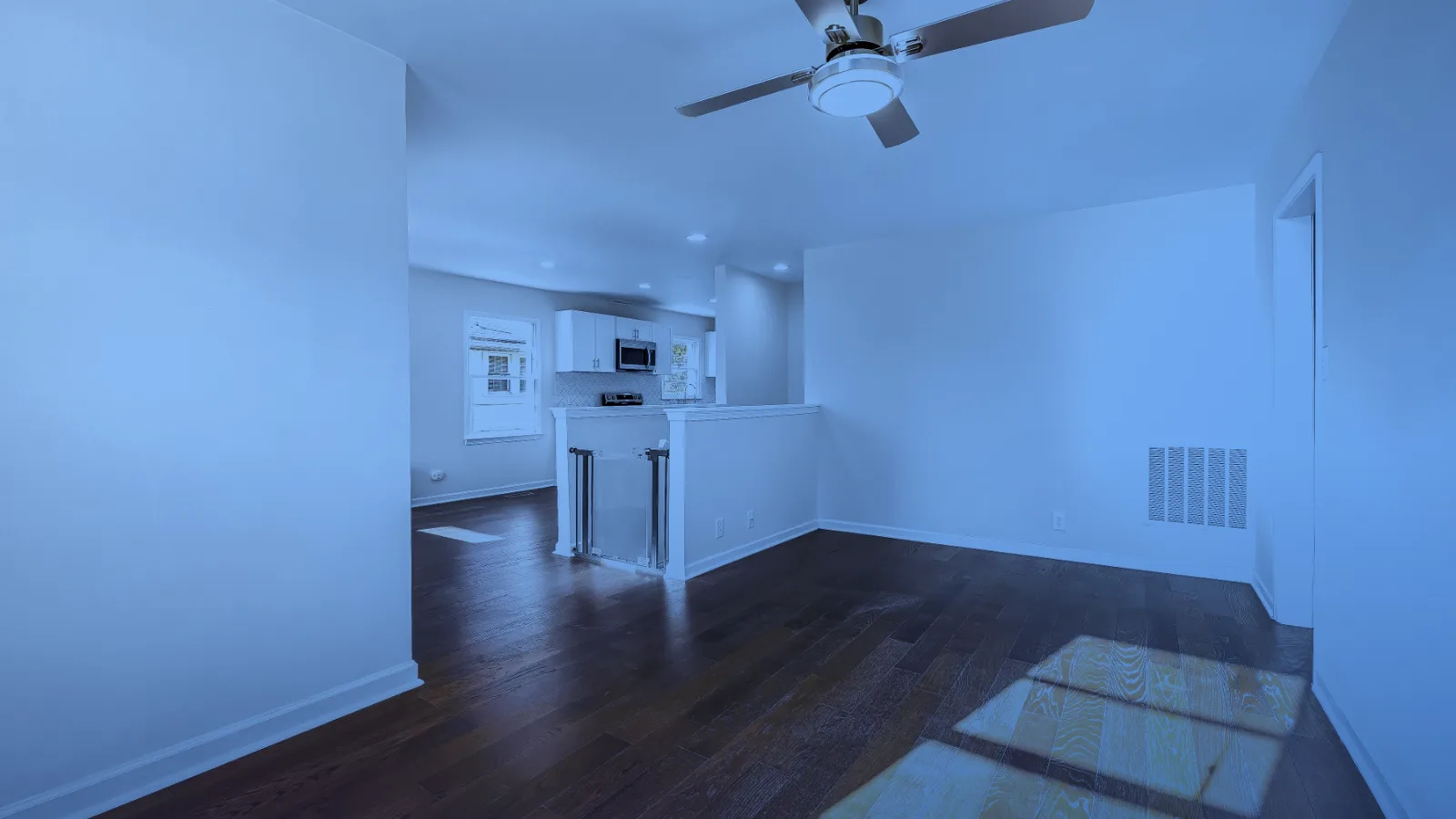
Before turning on the air conditioning of a Coco del Mar apartment that stayed closed for months, five points deserve a look: the smell at the grilles with the unit off, the filter, the air handler pan and drain, the grille frames and the return. If there is visible mold, standing water or pests, a camera inspection comes first.
Whoever comes back to an apartment after a season away usually does the same thing: opens the door, switches on the air conditioning and waits for it to cool. If the system sat idle for months in a climate like Panama’s, that routine can spread through the whole home whatever piled up in silence. The damp smell that shows up ten minutes later, or the stained filter someone finds afterward, are a late warning of something that could have been seen earlier.
In Coco del Mar the situation is not unusual. According to the 2023 Census, 111 of the neighborhood’s 1,342 dwellings were vacant, 8 percent, and almost all were apartments. That means many owners live abroad, rent by season or leave the unit shut while deciding what to do with it.
What happens to an air system that has been off for months?
With the unit off, the air inside the ducts stops moving and outdoor humidity finds its way in. Panama has an average relative humidity of 75.7 percent according to ETESA, so an apartment with no cooling or ventilation drifts toward that value and stays there. The condensate left in the pan when the unit stopped sits still, the drain trap dries out and lets odors in, and the dust on the filter and fins takes up water.
Behind this guide is Climatiza, an inspection and duct cleaning service, which always starts from the real condition of the system before proposing any work in Coco del Mar.
That does not mean every closed apartment has mold. Many go back to working with no trouble at all. A 2024 model of closed homes in a humid subtropical climate points to risk growing with the time shut, but it was a house with walls touching the ground, so in a tower building it works as guidance. What does hold is looking before starting up.
What gets checked before switching on the unit?
The check is short and needs no tools. The first step is smelling the grilles with the unit off, because an intense damp or stale smell hints at what sits behind them. Then the filter is held against the light, the air handler is opened if reachable and the pan is looked at, and finally the eye runs over the grille frames and the return damper.
- Smell at the grilles with the unit off: damp, old dust or neutral.
- Filter: color, dark or greenish stains and signs of insects.
- Air handler pan and drain: standing water, dry trap or debris.
- Grille and diffuser frames: stains, black spots or cobwebs.
- Return and damper: stuck dust, insect remains or dampness.
If everything is dry and odor free, the filter is replaced, the unit runs on fan for a few minutes and then on cooling, and the drain is watched through the first day. If any of the signs above appears, the unit stays off. Starting up with visible mold on a duct surface or a pest in the plenum is the fastest way to spread it.
Why does it matter if the apartment is already clean inside?
Because the apartment can be spotless and the system not. The duct is the part nobody sees, and a lingering smell coming through the grilles puts off the owner or the tenant even when the home has been cleaned top to bottom. It also affects the equipment: a pan that does not drain ends in leaks into the neighbor’s ceiling below, and in a condominium that becomes an issue with the board.
It is worth stating plainly what cleaning does not do. The EPA and the CDC note that duct cleaning has not been shown to prevent health problems, so here it is framed as upkeep and not as protection. It is proposed only when the camera or the visual check shows substantial visible mold, pests or ducts that release dust, which are the reasons the EPA itself recognizes.
What does a camera visit to a long-closed apartment look like?
Access is arranged first. When the owner is away, the building administration can open the door with written authorization and send photos of the filter and grilles before the visit, so the technician arrives knowing what to expect. In the apartment the check above is repeated with good light and the air handler is opened. Then the camera run inside the duct goes through the return and the main branch, the places where the idle time shows most.
An illustrative case, not a real client: an apartment shut since before the rainy season, with the owner in another country. The administration sends three photos. The filter is gray with a dark stain in one corner, and the pan holds a bottom of cloudy water. The camera finds no mold in the duct, only loose dust and one stretch of the return with damp stuck to it. The report recommends cleaning the pan, restoring the trap seal, replacing the filter and cleaning only that stretch. The rest of the system is left alone.
That report has a second use. It stays on file with dated photos as a baseline of how the apartment was on return, and if it closes again in a few months, it is compared against that state instead of starting from zero.
Which mistakes repeat and what is worth asking for?
The most common mistake is switching the unit on at full power so the apartment cools quickly. The second is cleaning the whole system by default, without first seeing where the problem was. The third is opening every window assuming ventilation fixes humidity, when in a city whose outdoor air is loaded with vapor ventilating can bring more moisture in instead of taking it out, as a 2019 study of unoccupied houses showed.
- Photos of each point checked, with date and location inside the apartment.
- Condition of the filter, pan and drain described separately.
- Which duct stretches were seen with the camera and which could not be reached.
- One clear recommendation per finding: clean, repair, monitor or nothing.
With that in hand, the absent owner decides on evidence and the administration has a document to show if a neighbor asks about a leak. Anyone wanting to know how visits are organized in the neighborhood can see how the work is done in Coco del Mar, and the other neighborhoods are in the zones where the team operates. To decide whether a repeat is due later, when cleaning is worthwhile and when watching is enough sets out the criteria.
More about the inspection and cleaning service that applies these criteria is on the Climatiza duct cleaning page and on the Climatiza home page.
Sources
On this site
- Residential towers and PH buildingsHow the work is organized in this sector
- Coco del MarThe area and its building types
- Camera inspectionThe real condition before deciding
Climatiza and Radar Panamá
Why does inspecting and cleaning ducts matter?
These are the technical reasons, with their source, why the condition of the ducts is checked before deciding. Duct cleaning has not been shown to prevent health problems according to the EPA and the CDC, and it is proposed only when the observed condition justifies it.
| Advantage | Data with source | What it means in practice |
|---|---|---|
| Require method and a report from the provider | NADCA published in 2025 the current edition of its ACR standard on assessment, cleaning and restoration of air systems. | It is an industry reference and not a seal: it helps ask for method, photographs and scope in writing. |
| Know whether cleaning is needed before deciding | The EPA states in its duct cleaning guide that cleaning is justified for visible mold, pests or a notable buildup of dust and debris. | A camera inspection documents the condition and allows a decision based on evidence, without unnecessary work. |
| Protect equipment performance | In a laboratory test with dust equivalent to one year of use, coil pressure drop rose between 6 and 30 % and efficiency (EER) fell between 1 and 9 % (Yang, Braun and Groll, ARTI, 2004). | It is a laboratory result and not a promise of savings: it points to the components worth checking. |
| Keep construction dust out of the system | The EPA and NIOSH Building Air Quality guide asks to block return grilles while construction work takes place in occupied buildings. | Before accepting a new or remodeled system it is worth checking whether construction dust got in. |
Frequently asked questions
Can the air conditioning of an apartment closed for months be switched on without checking anything?
If there is no damp smell, the filter is clean and the pan is dry, usually yes. With any stain, strong odor or standing water it is better to wait for the check, because starting up with mold or pests in the duct spreads it through the home.
Do the ducts of an apartment need cleaning just because it was closed?
Not automatically. Cleaning is done when the check or the camera shows visible mold, pests or dust coming out of the grilles. If it is just a dirty filter or a pan with water, replacing the filter and cleaning the pan is enough.
Who can give access if the owner lives outside Panama?
The building administration can open with written authorization from the owner or a representative. It helps to ask for photos of the filter and grilles before the visit, to bring what is needed and cut the time spent inside the apartment.
How much humidity does an apartment closed for months build up in a tropical climate?
A model published by Yuan and colleagues (2024) in the Journal of Building Engineering estimated that a home left closed for a long time in a humid subtropical climate holds between 75 and 90 percent humidity, with mold risk. It covered a case with walls touching the ground, so in a tower it serves as guidance.
Can the building administration prepare the inspection if the apartment owner lives abroad?
Yes, with written authorization from the owner. The administration opens the apartment, photographs the filter, the grilles, and the drain pan, and sends the images before the visit. With them the team decides what to bring, and the image report can come out on the same day as the camera inspection.
Keep reading the guide

Request an inspection
Do you want to know the condition of your system?
A camera inspection lets you see the inside of the ducts before deciding what to do. Message us and we will confirm availability.
- +507 6388-2083
- info@climatizapanama.com
- Calle Gervasio García, 8, Panama City