
Costa Sur
Costa Sur: duplex, do ducts carry neighbor smell or noise?
The smell of frying arrives just when the neighbor cooks. Before blaming the ducts, it helps to know where it actually travels.
 By
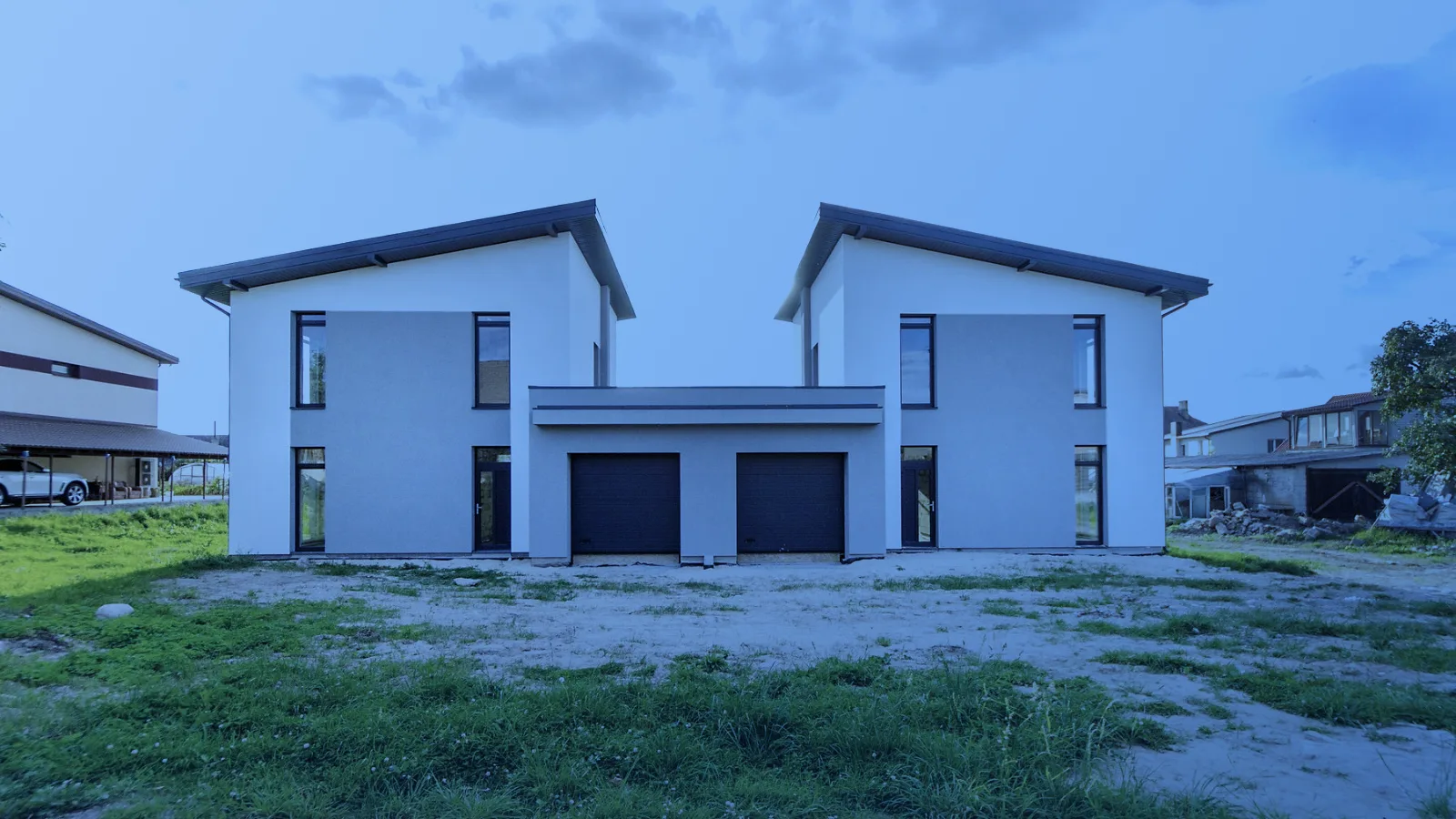
In a Costa Sur duplex, a neighbor's smell or noise can arrive through a shared duct, a gap in the party wall or a bathroom or kitchen exhaust. The camera inspection does not look for dust first but for the route: where each branch starts and which stretch crosses to the other home. With that map it is decided whether to seal, separate or leave things alone.
Anyone living in a Costa Sur duplex knows the scene. It is dinner time and the smell of sofrito from next door arrives right on schedule in the bedroom. Or the sound of a television crosses a wall that looked thick. The first suspicion falls on the air conditioning ducts, because they are right there in the ceiling and nobody knows quite where they go.
Sometimes the suspicion is right, but often it is not. Two attached homes can have completely separate systems and still share a gap. Before cleaning anything, or arguing with the neighbor, it is worth finding out where the smell travels, because the solution differs in each case.
How is it checked that a duplex's ducts are independent?
With the route, not the dust. The camera inspection starts from the air handler and coil of each home, follows the branch and the return to each grille and notes which access point allows each stretch to be seen. It looks for where each branch starts, which wall it crosses and whether any stretch passes to the other home. Only with that map can it be said whether the smell or noise travels through a duct, a crack or a bathroom exhaust.
To coordinate a visit related to Costa Sur, Climatiza answers inquiries and confirms availability according to the schedule of the place.
In duplexes and attached houses in developments like those in Costa Sur, the party wall and the ceiling are the points where the two homes touch, which is why the check starts there. The rest of the work is following each side’s system.
| What is found | What the camera shows | What is done |
|---|---|---|
| Gap around the duct in the party wall | Visible light or air movement | Seal with suitable material, coordinated with both neighbors |
| Shared ceiling or plenum | Openings and returns linking both homes | Separate the return and close the passage |
| Shared bathroom or kitchen exhaust | A single duct serving both units | Backdraft damper or own duct |
| Noise through rigid unlined duct | Short branch between both homes | Acoustic lining or an extra bend |
What do studies say about air moving between homes?
A 2024 study in Indoor Environments measured three new multifamily buildings in California with tracer gas and found that only 1 to 3 percent of the air entering each unit came from a neighbor, with no observable particle transfer. With larger gaps, however, the passage of neighbor gases almost doubled in simulations. The practical conclusion is that sealing matters more than cleaning.
Another study, from 2025 in Environmental Science and Technology, followed a residential building for two months and recorded about two daily episodes of cooking smoke passing from one home to another through a shared exhaust duct. It is a building in China, not Panama, but it illustrates the route the camera looks for: the common exhaust duct nobody remembers exists.
Why does it matter to clarify with evidence and not suspicion?
Because a complaint between neighbors without evidence ends in tension and a repair made blind. It matters for coexistence, which in a duplex is long, and for the comfort of someone sleeping with the other side’s smell. It matters for money, because cleaning ducts that had nothing and leaving the wall gap unsealed is spending without solving. And it matters for sale or rental, since a report showing independent systems saves buyers questions.
It is worth stating plainly that duct cleaning has not been shown to prevent health problems, according to the EPA and the CDC, and that it does not remove odors coming from a crack or an exhaust. Here it is proposed only when the camera shows loaded dust or residue in a stretch in use.
How does one talk with the neighbor and the developer?
With the report in hand and without accusations. An illustrative case, not a real client: a duplex with a frying smell in the bedroom. The camera shows that the air systems of the two homes are independent, but that the bathroom exhaust duct passes through a gap in the party wall and connects to the neighbor’s without a damper. The report photographs it, indicates on which side each access point sits and proposes a backdraft damper. The neighbor receives the same information, because the fix belongs to both.
- A simple diagram of each system, with the path of branches and returns.
- Photos of each gap or connection found, with its location.
- What can be seen from each home and what only from one.
- One recommendation per finding and whom it falls to: owner, neighbor or developer.
When the report reaches the developer, the conversation is about a specific finding and not about a smell. How the work is organized in the neighborhood is summed up in the visit in Costa Sur, the other zones are in the zones where the team works and the criterion for deciding whether cleaning is needed is in when cleaning is worthwhile and when it is not. The camera inspection of the ducts is the first step of this whole route.
For a first conversation about the system, the contact details are on the Climatiza site and the method is described on its duct cleaning service page.
Sources
On this site
- Residential towers and PH buildingsHow the work is organized in this sector
- Costa SurThe area and its building types
- Camera inspectionThe real condition before deciding
Climatiza and Radar Panamá
Why does inspecting and cleaning ducts matter?
These are the technical reasons, with their source, why the condition of the ducts is checked before deciding. Duct cleaning has not been shown to prevent health problems according to the EPA and the CDC, and it is proposed only when the observed condition justifies it.
| Advantage | Data with source | What it means in practice |
|---|---|---|
| Require method and a report from the provider | NADCA published in 2025 the current edition of its ACR standard on assessment, cleaning and restoration of air systems. | It is an industry reference and not a seal: it helps ask for method, photographs and scope in writing. |
| Know whether cleaning is needed before deciding | The EPA states in its duct cleaning guide that cleaning is justified for visible mold, pests or a notable buildup of dust and debris. | A camera inspection documents the condition and allows a decision based on evidence, without unnecessary work. |
| Protect equipment performance | In a laboratory test with dust equivalent to one year of use, coil pressure drop rose between 6 and 30 % and efficiency (EER) fell between 1 and 9 % (Yang, Braun and Groll, ARTI, 2004). | It is a laboratory result and not a promise of savings: it points to the components worth checking. |
| Keep construction dust out of the system | The EPA and NIOSH Building Air Quality guide asks to block return grilles while construction work takes place in occupied buildings. | Before accepting a new or remodeled system it is worth checking whether construction dust got in. |
Frequently asked questions
Are a duplex's air conditioning ducts connected to the neighbor's?
Normally not: each home has its own unit and branches. What can link them is a shared ceiling, a gap in the party wall or a shared bathroom or kitchen exhaust. The camera confirms which is the case.
Does cleaning the ducts remove the neighbor's smell?
Only if the smell comes from residue inside your own duct. If it enters through a gap or a shared exhaust, cleaning does not solve it and sealing or separating is needed. That is why it is better to see the route with a camera first.
Who pays for the fix if the passage is in the party wall?
It depends on the agreement between owners, the development’s rules and the contract with the developer. The report with photos, given to all parties, serves as the basis for that agreement.
How much of a neighbor's air actually reaches a home in a multi-unit building?
Little, when the building is well sealed. Adler and colleagues (2024, Indoor Environments) measured three new California buildings with tracer gas and found that only 1 to 3 percent of each unit’s air came from a neighbor, with no observable particle transfer. Large gaps change that result.
How is a duct gap sealed in the party wall of a duplex?
With a suitable sealing material and in agreement with both neighbors, because the wall is shared. The camera locates the gap by visible light or air movement. Sealing matters more than cleaning, and it is done before any decision to clean the duct.
Keep reading the guide
Request an inspection
Do you want to know the condition of your system?
A camera inspection lets you see the inside of the ducts before deciding what to do. Message us and we will confirm availability.
- +507 6388-2083
- info@climatizapanama.com
- Calle Gervasio García, 8, Panama City