
San Carlos
San Carlos: beach lodging, what to check before the dry season
A beach lodging lives two years in one: months of scattered occupied rooms and weeks when everything fills up. The air conditioning goes from resting to working without a break.
 By
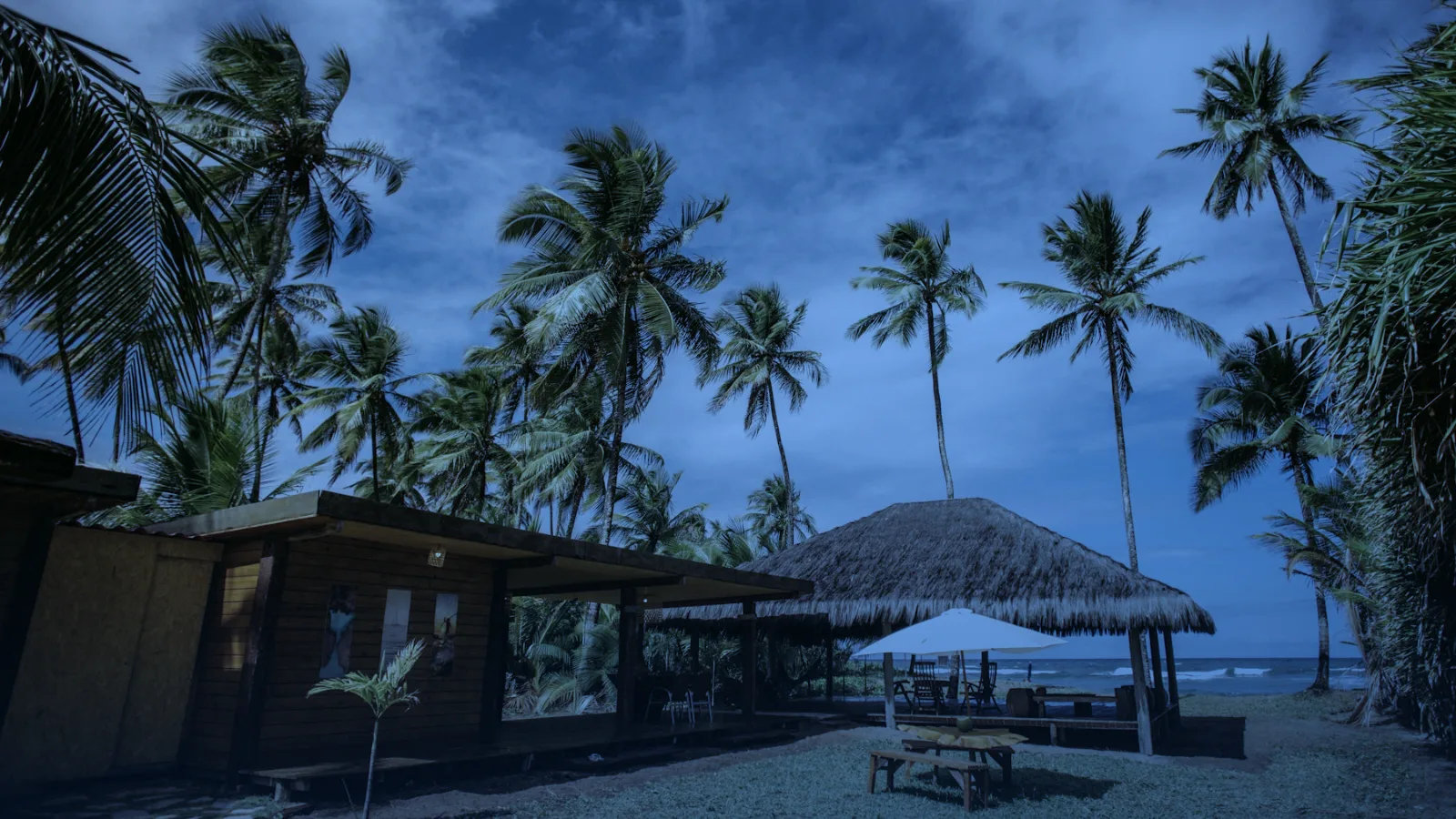
Before the dry season, a San Carlos lodging checks in this order: pans and drains in rooms that stayed closed, filters, dining room grilles, and the condition of branches with the camera in rooms with odor or stains. Only what shows residue is cleaned. A report per room lets the season open with evidence and not with surprises.
A small lodging in San Carlos knows its calendar well. During the rainy months few rooms are occupied, some sit closed for weeks and the units barely run. When the dry season arrives, within days the place fills with families, groups and weekend visitors, and every room switches on its air conditioning at once.
The first guest of the season is the one who notices whether a room smells closed up or cools poorly, and is the one who writes the review. That is why checking before is better than checking after. This article proposes an order of review designed for a beach lodging. The general description of the area is in how the work is done in the lodgings of the San Carlos district.
What does the rainy season leave in the air conditioning?
Mostly moisture. The climate characterization by ETESA and IMHPA, measured at the Tocumen station between 1977 and 2010, gives an annual mean relative humidity of 75.7 %, with the rainy months above 78 %. It is a station on the east side of the city and not in San Carlos, so it only serves as an order of magnitude for the Panamanian Pacific. A 2020 review in Letters in Applied Microbiology notes that keeping indoor humidity within the values suggested by the WHO and the EPA in tropical areas is almost the same as running the air conditioning all day.
When the system allows it, the review of San Carlos is done by camera through the existing access points, the way the Climatiza technical service performs it.
In a lodging with closed rooms this translates into pans that never fully emptied, damp coils and branch linings that spent weeks without dry air. None of that means mold, but they are the points to look at first.
Why does it matter to do it before the season?
Because afterward there are no free rooms to check. In the middle of the season, taking a room out of circulation costs a night of occupancy, and the tendency is to postpone until there is a complaint. Beforehand, with the house almost empty, the camera can enter the rooms, the dining area and the front desk without disturbing anyone, and corrections are made calmly.
It also matters for comfort and for order. A guest who arrives overheated and finds the room cool within minutes remembers the lodging. One who finds a closed up smell does not think about the view again. And the manager gains a per-room record of how the season opened. The ASHRAE 180 standard for inspection and maintenance of commercial systems rests on a simple idea: inspect regularly and document in order to decide with evidence, not with complaints. On cleaning, the EPA and the CDC state that it has not been shown to prevent health problems, so what is cleaned is what is seen and justified.
In what order is a lodging checked?
| What is checked | Why it goes there |
|---|---|
| Pan and drain of each closed room | It is what builds up most with the unit idle and the easiest to correct. |
| Filters of all units | A loaded filter explains most cases of weak cooling. |
| Dining area and front desk | They are the spaces with the most open doors and the most people at the same time. |
| Rooms with odor or stains | This is where the camera enters the coil, the return and the branch. |
| Outdoor units | Coastal salt and sand build up there and limit performance. |
The camera is not used in every room. It is used where the first pass of the round leaves doubts, and its report states in which rooms cleaning was done and in which a filter change or a drain fix was enough. The survey is described in how a camera inspection is carried out.
An illustrative case, not a real client: a ten room lodging, four of which were closed for months. The round shows slow drains in two of them and heavy filters in the dining area. The camera enters the two rooms with odor and shows a pan with residue and a damp coil, with dry branches. The decision is to clear drains, clean pans and coils, change filters and leave the rest untouched. The season opens with all ten rooms in order and a report for the next one.
Which mistakes keep repeating before the season?
The first is leaving everything for when guests arrive. The second is cleaning all the ducts out of habit, without looking at which ones need it. The third is forgetting the dining area, which receives outdoor air every time a door opens and usually has the most loaded grilles. The fourth is ignoring the outdoor units, where what the coast brings accumulates. A guideline on when to clean and when not is in when to clean ducts and when it is not needed.
What is worth asking the provider for?
- A report per room, with dated photos of what was reviewed.
- A list of rooms in which a filter change or a drain fix was enough.
- Condition of the outdoor units and the air intake.
- A recommendation for extra filters for the dining area during the season.
The other areas where the team works are in all the service areas.
Questions about a specific building can be sent to Climatiza, and the service description shows what a visit includes.
Sources
On this site
- Apartments and beach housesHow the work is organized in this sector
- San CarlosThe area and its building types
- Camera inspectionThe real condition before deciding
Climatiza and Radar Panamá
Why does inspecting and cleaning ducts matter?
These are the technical reasons, with their source, why the condition of the ducts is checked before deciding. Duct cleaning has not been shown to prevent health problems according to the EPA and the CDC, and it is proposed only when the observed condition justifies it.
| Advantage | Data with source | What it means in practice |
|---|---|---|
| Keep humidity under control | The EPA recommends in its guide to mold and moisture keeping indoor relative humidity below 60 % and drain pans clean and draining freely. | A humidity reading and a clean pan limit the conditions in which mold grows. |
| Follow a technical inspection reference | The ANSI/ASHRAE/ACCA 180 standard is the standard practice for inspection and maintenance of commercial HVAC systems. | It is an industry reference, not a legal requirement in Panama, and helps organize the review plan. |
| Know whether cleaning is needed before deciding | The EPA states in its duct cleaning guide that cleaning is justified for visible mold, pests or a notable buildup of dust and debris. | A camera inspection documents the condition and allows a decision based on evidence, without unnecessary work. |
Frequently asked questions
Is it worth cleaning all the lodging’s ducts before the season?
No. It is worth checking all filters, pans and drains, and using the camera in rooms with odor or stains. Only the section showing residue is cleaned. Cleaning everything out of habit usually means more work with no better result.
Which rooms are checked first?
The ones that stayed closed longest, because of the damp pan and coil, and the dining area, because it receives outdoor air and people at once. Rooms with odor, stains or weak cooling are checked after that.
Can the check be done without closing the lodging?
Yes, and it is easier before the season, with few rooms occupied. The order of rooms is coordinated with management so as not to disturb guests, and a report is delivered per room.
How is the sample of rooms chosen if the lodging is small?
In a small lodging every room is checked, because sampling only makes sense when there are many similar ones. If there are many, the least used, the one with complaints, the one farthest from the outdoor unit and one in normal use are chosen for comparison. Rooms not opened are recorded.
What is done with a room that was closed with the air conditioning off during the rains?
It is opened and aired, filter, pan and drain are checked, and the camera is run through the return grille before the room is offered to guests. ETESA records a mean relative humidity of up to 82.4 % in the rainy months, so those rooms are the first to look at.
Keep reading the guide

Request an inspection
Do you want to know the condition of your system?
A camera inspection lets you see the inside of the ducts before deciding what to do. Message us and we will confirm availability.
- +507 6388-2083
- info@climatizapanama.com
- Calle Gervasio García, 8, Panama City