
Capira
Capira: agritourism farm, how to care for cabin and hall ducts
An agritourism farm in Capira takes visitors from Friday to Sunday and spends the rest of the week in silence, in fog and rain. The owner wants to know how to care for cabin and hall ducts under those conditions.
 By Limpieza de Ductos Panamá
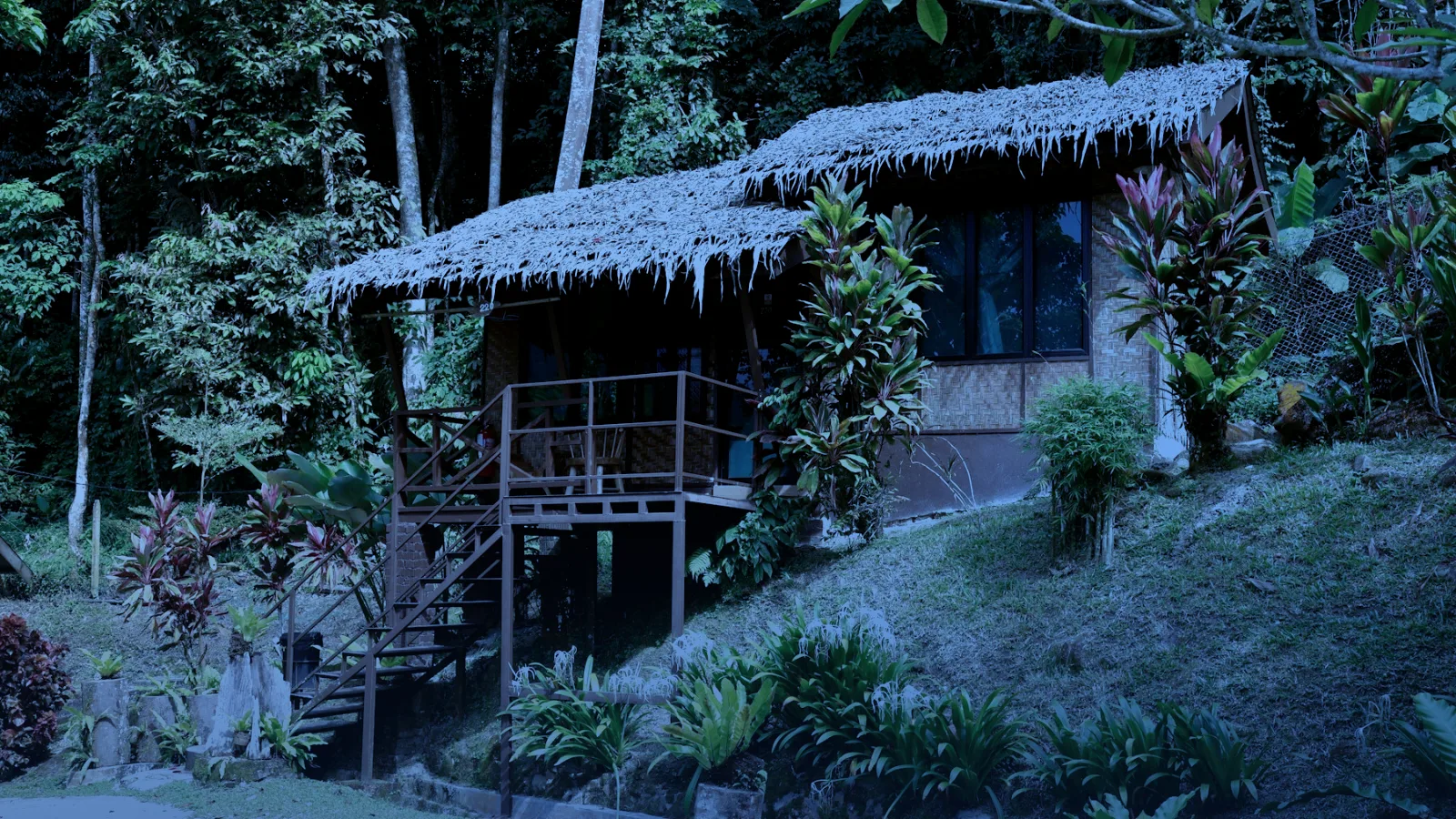
The cabin and hall ducts of a Capira farm are cared for with three habits: running the air a few hours before each arrival to dry the duct, checking filter, pan and grilles at the end of the rains and running the camera through the first run once a year or after the high season. First it is confirmed which cabins have ducts and which use wall units, which do not need this care.
Capira is the least dense district of Panamá Oeste, with 45,629 residents in 974 square kilometers, and within it lies Altos de Campana National Park, which according to the Ministry of Environment receives over 2,500 millimeters of rain a year with temperatures from 15 to 22 degrees. The agritourism farms of the area, among them those on the coffee route Panamá América describes, operate in that climate. A cabin with air conditioning in that setting lives two realities: mountain dampness all week and guests only on the weekend.
Mountain dampness and fog in the cabins
In the mountains the outside air reaches the duct already loaded with water. When the unit is switched off on Sunday, the fog of the following days enters through the air intake and the gaps in the grilles, and the closed duct holds it. The EPA guide on mold in buildings recommends keeping indoor relative humidity below 60%, with clean drip pans and free drainage. In a Capira cabin switched off from Monday to Thursday none of those conditions is met on its own, which is why caring for the duct starts by reducing the days when the air is still and damp.
Before any routine it helps to know what is behind each grille. Many farm cabins use wall units without ducts, and in that case there is nothing to travel with a camera, only a filter and a pan to look after. Cabins with a small central system and the event hall usually do have a duct network, and those are the ones covered here.
Anyone who needs to see the real condition of the ducts in the case of Capira can request a camera inspection from the team at Climatiza, a technical duct cleaning service in Panama, which documents every section with images.
Weekend use cabins
- Early start up. On Thursday afternoon or Friday morning the air in each booked cabin is run for a few hours. The duct dries out and the stale smell leaves before the guest arrives.
- Filter check when making up the cabin. Whoever prepares the cabin feels the filter. If it is damp or loaded, it is replaced that same day and noted on the cabin sheet.
- Empty pan at closing. On Sunday, with the unit off, it is checked that the drain pan emptied. A pan with water all week is the most frequent origin of stains in the first run.
- Grilles closed between visits. In cabins with no guests the adjustable grilles are closed and the outdoor intake louver is lowered if there is one, so less fog enters the switched off duct.
Event hall and farm kitchen
A farm event hall concentrates in one day what a cabin spreads over a month: many people, doors open to the countryside and a kitchen next door running flat out during the event. That kitchen, with a wood stove or grill, produces smoke and fine grease that head for the hall return if there is no extractor pulling them out first. The signs appear in the days after the event, with the hall closed again.
- Hall return grille with a sticky film, unlike dry dust, which points to kitchen grease.
- Smoke smell that lingers when the air is switched on days after the event.
- Diffusers over the dance floor or tables with a dark halo that grows from one event to the next.
- Leaves, seeds or insects in the outdoor air intake after a windy, rainy weekend.
- Condensation in the run crossing the kitchen zone, where the heat of the stove and the cold of the duct meet.
If the hall is booked for weddings or gatherings with food served, the coordination between bookings resembles that of a hotel with a hall and rooms occupied in turns, and it helps to separate the hall duct from the kitchen duct in the plan.
What to check with a camera
| Point | What the camera shows | What is done with that |
|---|---|---|
| First run after each cabin unit | Damp film, stains, inner lining coming loose | Clean only if there is film or stains. If dry, it is noted |
| Outdoor air intake | Leaves, nests, torn mesh | Remove and replace the mesh before the season |
| Hall return | Fine grease and packed lint | Clean the run and check the kitchen extractor |
| Hall elbows and drops | Water pooled from condensation | Fix the slope or insulation before cleaning |
| Pan and drain of each unit | Standing water, drain blocked by moss | Unblock and level. It comes first in a mountain climate |
The camera that travels the inside of the duct avoids cleaning out of habit. On a farm with six cabins it is normal for two to need cleaning and four only a new filter, and the report says so cabin by cabin.
Frequency by visitor season
No rule was found that sets how often the ducts of a rural lodging should be checked. The criterion that tends to work in Capira follows the rains and the bookings: a full check of filters, pans and intakes at the end of the rainy season, a camera in the first run of each system once a year or right after the season with the most visitors, and a look at the hall return after each big event with a kitchen. Cabins that go weeks without a booking are checked before renting them again, not by the calendar. The general rule on when cleaning is worth it and when a check is enough holds, and the lodgings on the coast of the same district have their own detail on the page about beach lodgings with marked seasons. Whoever runs another farm or country house in the district can see how a visit out to Capira is organized, with the town and the access reference needed to set a date.
The next step after this guide is usually a visit to check the system, which is arranged with the team at Climatiza using the details in their duct cleaning page.
Sources
On this site
- Hotels and hostelsHow the work is organized in this sector
- CapiraThe area and its building types
- Camera inspectionThe real condition before deciding
Climatiza and Radar Panamá
Frequently asked questions
If the cabin has a wall unit, do the ducts also need care?
No, because there are no ducts. A wall unit only has a filter and a pan, and those are checked when preparing the cabin and at the end of each season. The rest of the unit is left to an air conditioning technician.
Does running the air before the guest arrives use a lot of energy?
A few hours of running dry the duct and clear the stale smell. It is less than leaving it on all week and keeps the guest from receiving the cabin with damp air. The camera confirms whether that habit is enough or something more is needed.
Does the smoke from the hall kitchen reach the cabins?
Only if they share a duct, which is rare on a farm where each cabin has its own unit. Usually the smoke and grease affect the hall return, which is why that run is looked at after each event with a kitchen.
Can the mountain fog damage the duct?
Fog brings moisture that stays in the switched off duct and favors stains, smell and dust sticking. It does not damage the metal right away, but an inner lining or a pan with permanent water does deteriorate. Keeping the duct dry between visits is the main care.
Keep reading

Request an inspection
Do you want to know the condition of your system?
A camera inspection lets you see the inside of the ducts before deciding what to do. Message us and we will confirm availability.
- +507 6388-2083
- info@climatizapanama.com
- Calle Gervasio García, 8, Panama City