
Fast food chains
One duct standard for every fast food branch
Ten outlets, ten buildings and three generations of equipment. The standard is not in the equipment but in how it is looked at, recorded and audited.
 By Limpieza de Ductos Panamá
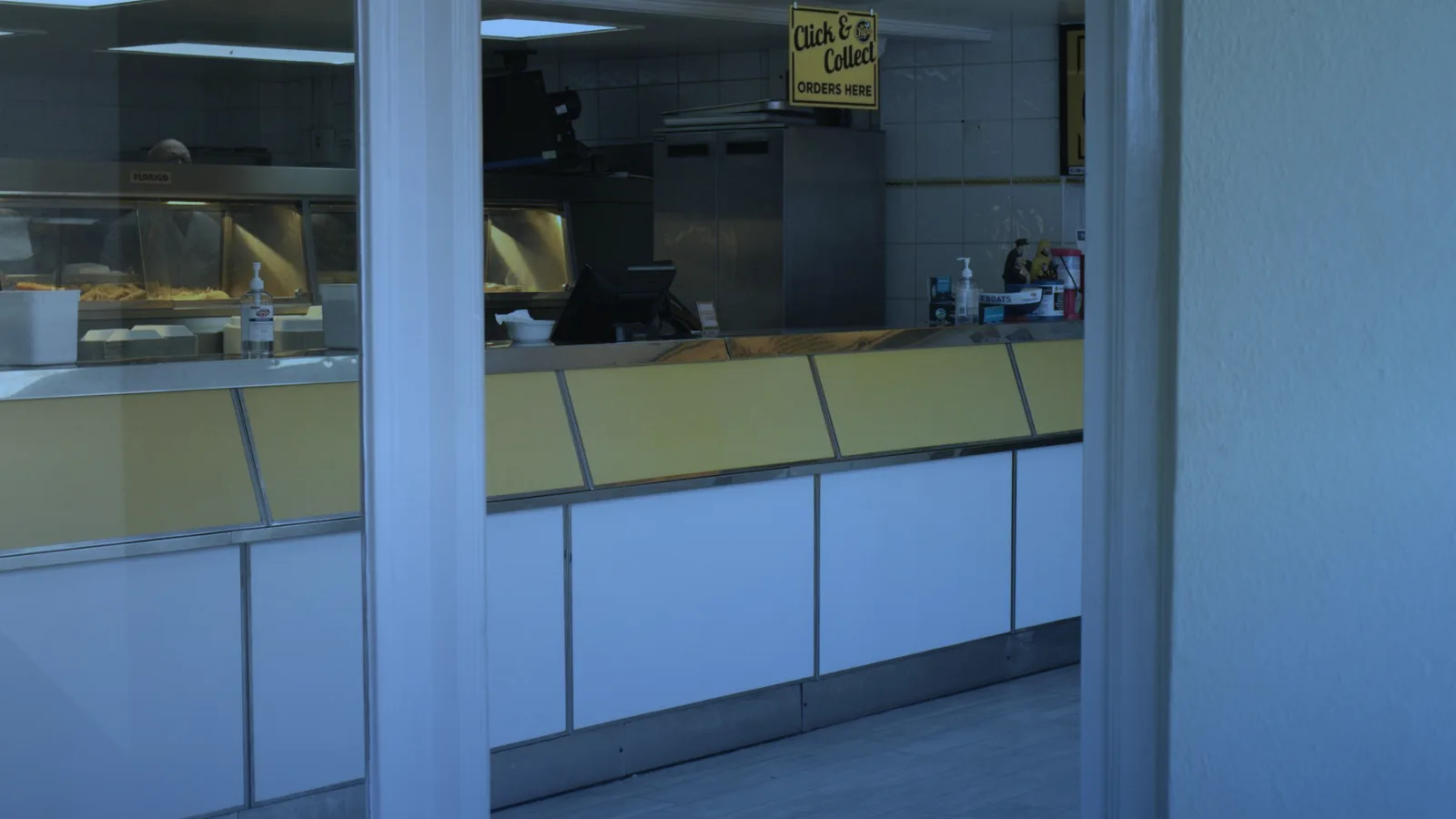
One standard is set by separating what changes between branches from what does not. Equipment type, access and closing hours change. Inspection points, the photo report format, the scale used to grade residue and the audit rule do not. With those four things fixed, each branch can keep its own date and provider and management still compares like with like.
Why each branch ends up with a different criterion
What usually happens is that each outlet manager hires when a problem appears, with whatever provider is at hand and with the report that provider is used to delivering. Two years later the regional manager has ten folders with undated photos, definitions of clean and dirty that do not match and no way of knowing which outlet is in worse shape.
The opposite extreme also fails: demanding the same date and the same provider for everyone ignores that an outlet inside a mall depends on the mall administration and that a street outlet with fifteen year old equipment has different access points. ASHRAE Standard 180 solves this by defining inspection tasks and a minimum frequency per component, not per building, and that is the logic worth copying.
Which variables change between outlets and which do not
| Variable | Changes per branch | Fixed for the whole chain |
|---|---|---|
| Equipment type | Yes: ducted split, rooftop package, mall air handler | The list of points to look at adapts to the type, it is not dropped |
| Hours and access | Yes: night closing, 24 hours, mall permit | The minimum work window per visit |
| Inspection points | No | Main return, filter, coil, first supply section, diffuser above the counter |
| Residue scale | No | Four levels with a reference photo per level |
| Report format | No | Same template, same fields, same photo angles |
| Provider | May change | Must accept the template and the scale before the first visit |
Calendar template per branch
The calendar is built in two layers. The first is identical for everyone: a monthly visual check of the return and the filter by the outlet supervisor, with a photo uploaded to a shared folder. The second is the camera inspection, whose date is set by what the first layer showed and by the outlet itself. That way the outlet with growing residue moves forward and the clean outlet does not pay for an unnecessary visit.
When the system allows it, the review of fast food chains is done by camera through the existing access points, the way the Climatiza technical service performs it.
- Column 1: branch, equipment type and who authorizes access.
- Column 2: fixed day of the month for the supervisor photo.
- Column 3: residue level from the last photo, 1 to 4.
- Column 4: date of the last camera inspection and result.
- Column 5: next action, decided by the level and not by the calendar.
With an annual average humidity of 75.7 % in the Panama district according to ETESA, outlets with a door open to the street climb levels faster in the rainy season than outlets inside a mall. Column 3 shows it without any need for debate. In how to estimate the level of attention each outlet needs the use and signs of each branch can be entered.
A single photo report format
The report is designed so that someone who was not in the outlet can compare it with another branch in two minutes. That requires photos always taken at the same five points, from the same side, with the date printed and the residue level marked. The NADCA ACR standard, in its 2025 edition, describes what it means for a system to be clean and serves as a reference for the scale, without becoming a seal.
Each report also carries the list of sections without access. In a chain, that list is what reveals that three outlets share the same problem of access panels hidden by the ceiling, and it allows a common building fix to be requested. The general content of a duct report is described in what the report of a camera inspection includes.
How to audit that the provider delivered in every outlet
- Compare photos by point, not by outlet. Open the ten main return photos side by side. If the angle or the distance do not match, the report goes back.
- Check that the after photo was taken the same day. The date printed on the before and after photos must match the visit logged in the outlet book.
- Cross check the no access list with the previous visit. If a section shows no access twice in a row, management decides on the building work or accepts that the section stays outside the standard.
- Visit one random outlet with the report in hand. Open the photographed grille and compare it with the after photo. One visit per quarter keeps the quality of the rest.
The EPA Building Air Quality guide recommends that managers keep maintenance records of the air system in order to trace problems, and a chain is the case where that record pays off most. The technical basis of what is checked in each outlet is in the restaurants and coffee shops page, and for outlets inside a mall it is worth reading how coordination with a shopping center administration works. The general working method is described in the duct cleaning service.
More about the inspection and cleaning service that applies these criteria is on the Climatiza duct cleaning page and on the Climatiza home page.
Sources
On this site
- Restaurants and coffee shopsHow the work is organized in this sector
- Shopping centers and mallsA neighboring sector
- Camera inspectionThe real condition before deciding
Climatiza and Radar Panamá
Frequently asked questions
Is a single provider for the whole chain better than several?
Not necessarily. What must be unique is the report template, the photo points and the residue scale. If two providers accept those rules, management can compare them with each other and that usually improves the quality of both.
How is the residue scale set without being a technician?
Ask the provider for four real photos of ducts from the chain itself, from very clean to heavily loaded, and number them 1 to 4. Those four photos become the reference printed on the template. What matters is that everyone grades against the same images.
What about a new outlet joining the chain?
Give it a baseline camera inspection in the first month, with the same template, even if the outlet has just opened. That first photo is what makes it possible to measure how much the system loads up in its first year.
Can the outlet supervisor take the monthly photo?
Yes. They only need to know which grille it is, where to shoot from and that the date stays visible. It does not replace the camera inside the duct, but it tracks the trend between inspections.
Keep reading

Request an inspection
Do you want to know the condition of your system?
A camera inspection lets you see the inside of the ducts before deciding what to do. Message us and we will confirm availability.
- +507 6388-2083
- info@climatizapanama.com
- Calle Gervasio García, 8, Panama City