
Rehabilitation centers
Rehabilitation center: ducts in the therapy gym and hydrotherapy
The hydrotherapy pool produces humidity and chlorine. The gym produces heat and sweat. The treatment booths need quiet. Three different environments that sometimes hang from a single air system.
 By Limpieza de Ductos Panamá
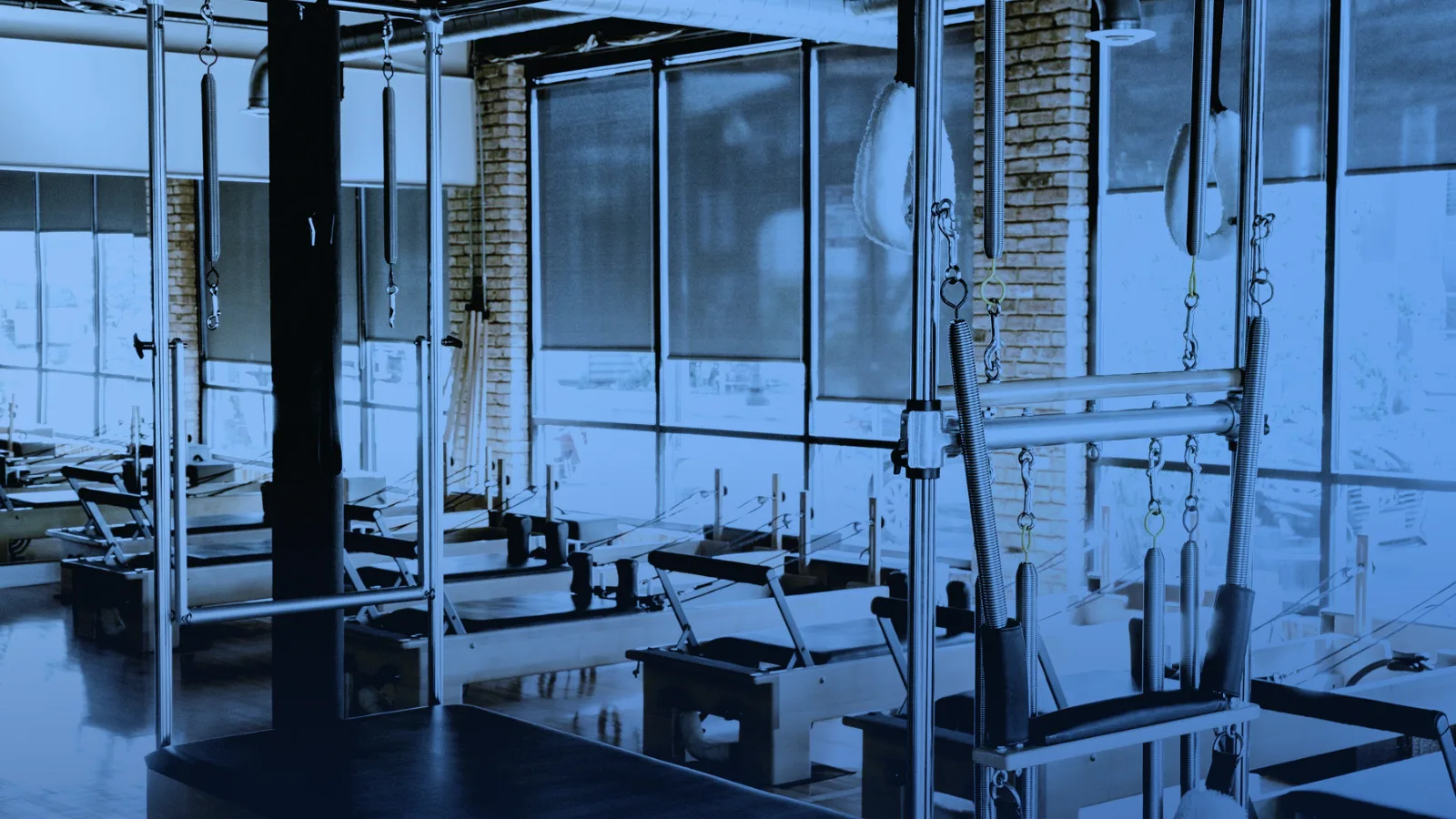
Three things are checked in this order: whether the hydrotherapy room shares ducts with the rest of the center, what condition the return and coil serving the pool are in, and how much humidity and lint the therapy gym returns carry. The pool zone is the priority because air with chloramines and vapor corrodes metal and wets insulation. The camera confirms the condition of each zone and the report is organized for the clinical coordination.
Hydrotherapy: humidity and chlorine in the duct
A therapy pool runs on warm water, and warm water evaporates more. The room air leaves loaded with vapor and with chloramines, the compounds formed when chlorine reacts with sweat and other substances from patients. The CDC explains that those chloramines pass from the water to the air, are heavier than air and build up over the surface if not enough fresh air comes in.
The same CDC guidance asks for the air conditioning system to be set up to move fresh air across the water surface and exhaust air with chloramines outdoors, rather than recirculating it. When a rehabilitation center connects the pool room to the same system that serves the gym and the booths, that humid, corrosive air travels through ducts not designed for it. The first thing confirmed with the camera in the sections leaving the pool room is whether there is condensation, rust at the seams and wet internal insulation.
Therapy gym and treatment booths
The rehabilitation gym is not a commercial gym. There are fewer people, they move more slowly and spend longer at each station, often accompanied by a therapist. The humidity load is lower than in a spinning room, but lint from towels, bandages and mats builds up just the same in the low returns. In the booths, with curtains and doors closed, the air is renewed little and any duct odor is noticed at once.
Climatiza is the technical service behind this guide and works with camera inspection, an illustrated report and cleaning only when the condition justifies it, including in the case of rehabilitation centers.
| Zone | What loads the duct | What is checked first |
|---|---|---|
| Hydrotherapy room | Vapor, chloramines, splashed water | Rust on grilles and seams, wet insulation, condensate pan |
| Therapy gym | Textile lint, sweat, equipment heat | Low returns, filter, diffusers over the treatment tables |
| Booths and consulting rooms | Little air renewal, retained odors | Diffuser in each booth and the shared corridor return |
| Locker rooms and showers | Constant humidity | Dedicated extractor or connection to the general system |
How to zone the center for the inspection
Zoning starts with the mechanical drawing, if one exists, and if not it starts in the machine room: the units are counted and where each duct goes is traced. The goal is to know whether the pool has its own unit and its own return, or whether it shares. Everything else depends on that answer, because a shared system turns a pool problem into a whole-center problem.
- Dedicated unit and return for the pool room, or shared with the corridor.
- Shower and locker room extractors that discharge outdoors and not into the ceiling.
- Pool grilles in stainless steel or aluminum, and their actual condition.
- Duct sections crossing over the pool and points where condensate drips.
- Condensate pan of each unit with free drainage, as the EPA mold guide asks.
Appointment schedules and work windows
A rehabilitation center books in blocks: mornings full of post-surgical patients, afternoons with outpatient therapy and short Saturdays. The natural window for the pool is the water maintenance day, when the room is already closed to the public. The gym is worked after the last appointment, and the booths are checked one at a time while the rest keeps seeing patients, because each has a door.
The CDC, in its guideline on environmental infection control for health care facilities, notes that a well-engineered air system requires routine maintenance and monitoring, and that dust and humidity accumulated in the system raise the risk. That is the reason to agree the windows with the clinical coordination rather than with the guard on duty: the same guideline makes clear that duct cleaning has not been shown to prevent health problems, so the value lies in knowing the condition and maintaining the system, not in promising results. Coordination resembles that of a health care center with a protocol per area, and the exercise rooms follow the logic of a gym with rooms of different use.
What report to deliver to the clinical coordination
The clinical coordination does not need a technical air conditioning report. It needs to know which zones were checked, what was found in each, what was cleaned and what remains pending, with photos it can forward to management or the board. The document should keep the pool separate from the rest, because it is the zone that decides most of the following interventions.
- Map of zones and units. Which unit serves each zone and whether the pool is independent. One page, with a sketch.
- Findings per zone with photo. Rust, moisture, lint or nothing, section by section. What was not opened is noted as not reviewed.
- Actions and pending items. What was cleaned, what is recommended for repair and what is looked at again on the next visit, using the criteria of the duct technical guide.
The next step after this guide is usually a visit to check the system, which is arranged with the team at Climatiza using the details in their duct cleaning page.
Sources
On this site
- Hospitals and clinicsHow the work is organized in this sector
- Gyms and sports centersA neighboring sector
- Camera inspectionThe real condition before deciding
Climatiza and Radar Panamá
Frequently asked questions
Should the hydrotherapy room have its own air system?
That is the desirable setup and what the CDC recommends: fresh air across the water and exhaust of chloramine-laden air to the outside. If the center is already built with a shared system, the camera inspection says how much damage humidity has done to the ducts and allows priorities to be set.
What sign indicates that pool air reaches the gym?
Chlorine odor in the gym or the booths with the pool door closed, and gym grilles with spots of rust. Both point to connected ducts or a pool return discharging into the general system.
How often should a center with a pool be checked?
No standard was found that sets a frequency. As a criterion, the pool zone is checked more often than the gym, because humidity corrodes, and the date is adjusted with what the camera showed on the previous visit.
Can the work be done with patients in the center?
Yes, by closed zones. Booths are checked one at a time with the door shut, the gym after the last appointment and the pool on the water maintenance day. A duct is never opened above a patient in therapy.
Keep reading
Request an inspection
Do you want to know the condition of your system?
A camera inspection lets you see the inside of the ducts before deciding what to do. Message us and we will confirm availability.
- +507 6388-2083
- info@climatizapanama.com
- Calle Gervasio García, 8, Panama City