
Don Bosco
Don Bosco: new house next to a building site, how to protect the ducts
Anyone moving into a new house beside a building site wonders whether the dust settling on the windowsill is also getting into the ducts. There is an orderly way to find out.
 By
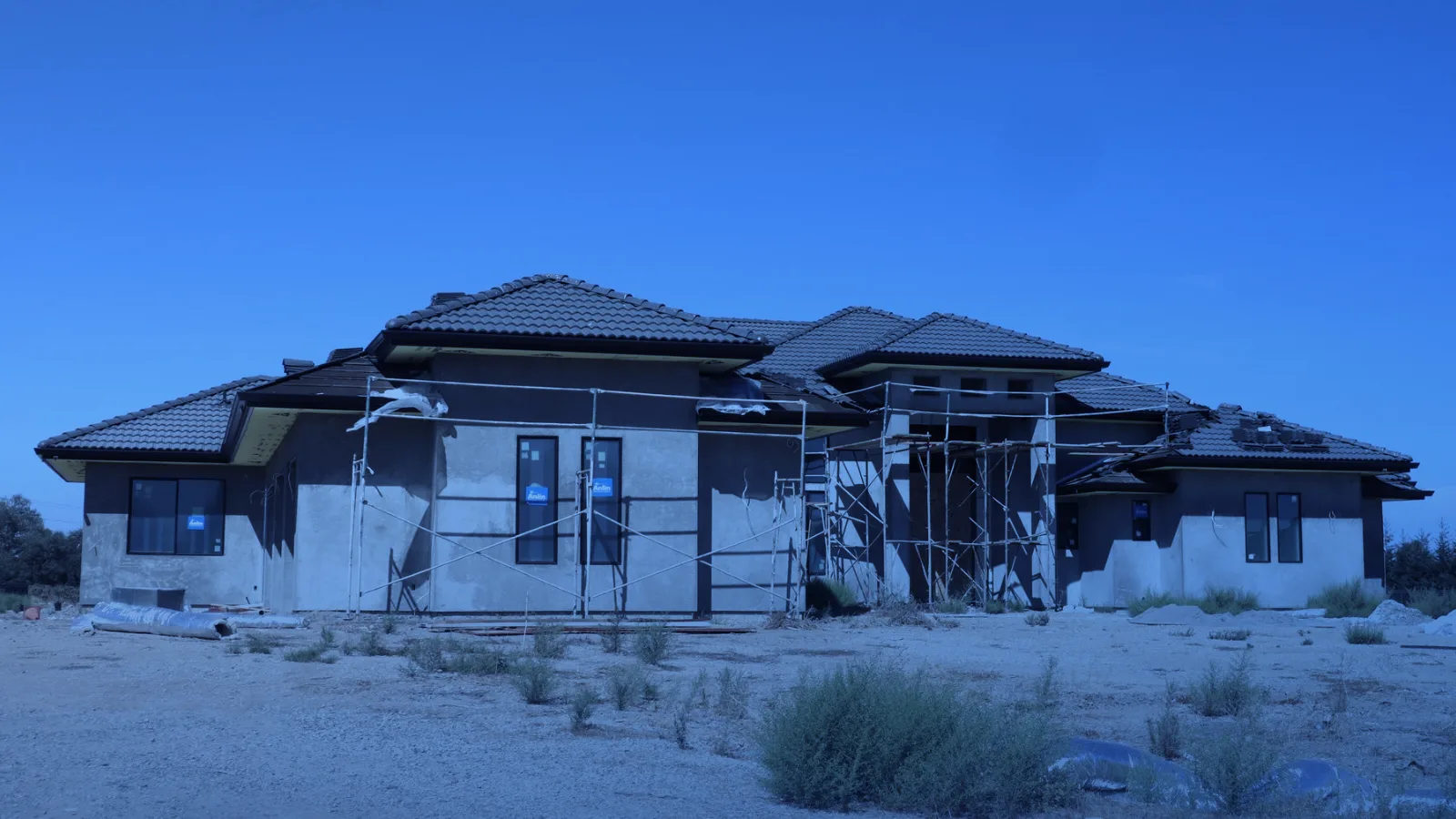
To protect the ducts of a new house in Don Bosco while construction goes on next door, it helps to run a camera inspection at the start to have a baseline, seal the gaps where fine dust gets in, watch the filter more often and compare with a second inspection once the work advances. Cleaning is considered only if the comparison shows a real build up.
The move was a month ago and the house still smells new. But on the other side of the wall a project started going up, and every morning a thin layer of gray dust shows on the windowsill, the car and the terrace furniture. The family asks the usual question: if the dust reaches this far, is it already inside the air conditioning ducts of a system that was only just switched on?
The honest answer is that it depends on where it gets in and how long the work lasts. What helps is not guessing but measuring the starting point and comparing. In Don Bosco, where new houses and plots under construction live side by side, that order of work avoids spending on a cleaning that may not have been needed.
Where does dust from a neighboring site get in?
It gets in where the house breathes. Fine dust passes through the gaps in sliding windows, through pipe penetrations that were poorly sealed, through the bathroom and kitchen extractors and through the door every time it opens. Once inside, the air conditioning picks it up through the return grille and carries it to the filter, which is the first barrier. If the filter is well seated, it holds most of it. If there are gaps, some of the dust gets through to the coil.
Anyone who needs to see the real condition of the ducts in the case of Don Bosco can request a camera inspection from the team at Climatiza, a technical duct cleaning service in Panama, which documents every section with images.
The season matters. In the rainy months, with relative humidity between 78 and 82% according to ETESA, the dust that gets in turns damp and sticks to metal more easily than in a dry month. That is why it pays to look at the filter more often precisely when the construction coincides with the rains.
What is done first to protect a new system?
The first thing is a camera inspection before the neighboring site reaches its dustiest stage. It is not done to clean but to leave a baseline. A new house rarely has fully clean ducts, because its own construction leaves dust behind. A study in new buildings measured an average of 0.9 g per square meter in supply ducts when installation followed a strict cleanliness control, against 2.3 g when the control was the least demanding. The figure is a reminder that part of the dust may come from the house’s own construction, and an initial record avoids blaming the neighboring site for what was already there.
With that image on file, the family can close the most obvious gaps, check the seal on the extractors and keep the filter clean and well seated. They are simple gestures that cost little and solve more than they seem to.
Why does it matter to look after a system that has just been installed?
It matters for comfort and for the equipment. A coil covered in dust cools worse and makes the unit run longer, and in a new house that shows up quickly in rooms that take a while to reach temperature. It also matters for order: if a dispute with the builder or the residential association over the condition of the ducts arises later, the day one image is the proof of how they were.
It is best not to exaggerate the risk. The EPA advises considering duct cleaning when there is visible mold in quantity, pests or ducts so clogged that they release dust through the registers, and notes that cleaning them has never been shown to prevent health problems. In a new house with a well kept filter, the second inspection will most likely show a branch almost identical to the first, and in that case the right thing is to document it and not clean.
What do the two visits look like and what is compared?
The first visit runs a camera through the main return, the first section of each branch and the air handler space, and leaves dated photographs. The second is scheduled when the neighboring site gets past excavation and structure, or sooner if the filter loads much faster than usual. The same points are repeated, in the same order, so the comparison is clean. The technique is described in how a camera inspection is carried out.
An illustrative case, not a real client: a two story house with the unit in the second floor hallway. At the first visit the branch shows a thin film of construction dust from the house’s own build. Three months later, with the neighboring site in full structure stage, the filter is saturated but the duct has hardly changed. The sensible decision is to change the filter more often, seal two window gaps and repeat the look when the work ends. Cleaning then would have meant paying for a result that is lost if the dust keeps falling.
Which mistakes repeat and what is worth asking for?
The most common mistake is cleaning the ducts while the neighboring site is still active. Next come not sealing gaps and relying only on the filter, and not keeping any initial image. Another mistake is leaving access panels open after the visit, which lets dust go straight into the system. The particulars of the neighborhood are in the Don Bosco page, and the rest of the areas on the site are gathered in the map of areas served.
- Dated photographs of the return, the first section of each branch and the air handler.
- Condition of the filter and the coil at the time of the visit.
- A list of gaps and pipe penetrations worth sealing.
- A note saying when to look again, tied to the stage of the works and not to a fixed calendar.
With those elements the decision to clean, if it comes, is made with the criteria that indicate when cleaning is due and not out of fright at the dust on the windowsill.
Scheduling a review starts with a message to Climatiza, and the service page summarizes the process.
Sources
On this site
- Residential towers and PH buildingsHow the work is organized in this sector
- Don BoscoThe area and its building types
- Camera inspectionThe real condition before deciding
Climatiza and Radar Panamá
Why does inspecting and cleaning ducts matter?
These are the technical reasons, with their source, why the condition of the ducts is checked before deciding. Duct cleaning has not been shown to prevent health problems according to the EPA and the CDC, and it is proposed only when the observed condition justifies it.
| Advantage | Data with source | What it means in practice |
|---|---|---|
| Know whether cleaning is needed before deciding | The EPA states in its duct cleaning guide that cleaning is justified for visible mold, pests or a notable buildup of dust and debris. | A camera inspection documents the condition and allows a decision based on evidence, without unnecessary work. |
| Anticipate the tropical humidity | According to ETESA (Tocumen station, 1977 to 2010), mean annual relative humidity in Panama is 75.7 % and rises to between 78.2 and 82.4 % in the rainy months. | The condensate pan, the drain and the coil are checked first, because that is where moisture builds up. |
| Keep humidity under control | The EPA recommends in its guide to mold and moisture keeping indoor relative humidity below 60 % and drain pans clean and draining freely. | A humidity reading and a clean pan limit the conditions in which mold grows. |
| Keep construction dust out of the system | The EPA and NIOSH Building Air Quality guide asks to block return grilles while construction work takes place in occupied buildings. | Before accepting a new or remodeled system it is worth checking whether construction dust got in. |
Frequently asked questions
Do the ducts of a new house need cleaning if the neighboring site raises a lot of dust?
Not automatically. The initial image is first compared with a second inspection. If the duct hardly changed, the filter is watched and the work waits. Cleaning is considered only with visible build up and after the works end.
How often is it worth looking at the filter while the works last?
More often than in a house with no works nearby. A visual check every two or three weeks shows whether it loads much faster than usual, and that change is the signal to bring the second inspection forward.
Does covering the return grilles help while there is dust?
No. Covering the return alters the airflow and can strain the unit. It is better to seal the gaps where dust gets in, keep the filter well seated and change it more often.
Why is a new house inspected before the neighboring construction begins?
To set a baseline. Holopainen and colleagues (2002) measured duct dust in 18 new buildings: 0.9 g per square meter with strict cleanliness control and 2.3 g with the least demanding. The dust can come from the construction itself, and the record avoids blaming the neighboring works for what was already there.
What is compared in the second inspection once the neighboring works end?
The images of the filter, the coil, and the branches against those from the first visit. In a new house with a well-kept filter, the branch most likely remains nearly the same, and then the report documents it and nothing is cleaned. The EPA reserves cleaning for mold, pests, or obstructions.
Keep reading the guide
Request an inspection
Do you want to know the condition of your system?
A camera inspection lets you see the inside of the ducts before deciding what to do. Message us and we will confirm availability.
- +507 6388-2083
- info@climatizapanama.com
- Calle Gervasio García, 8, Panama City