
Short-term rentals
Short term rental: ducts between guests and odor reviews
A guest decides much of their review in the first minute inside the apartment, and that minute begins with a breath of air from a system that has been off for hours.
 By Limpieza de Ductos Panamá
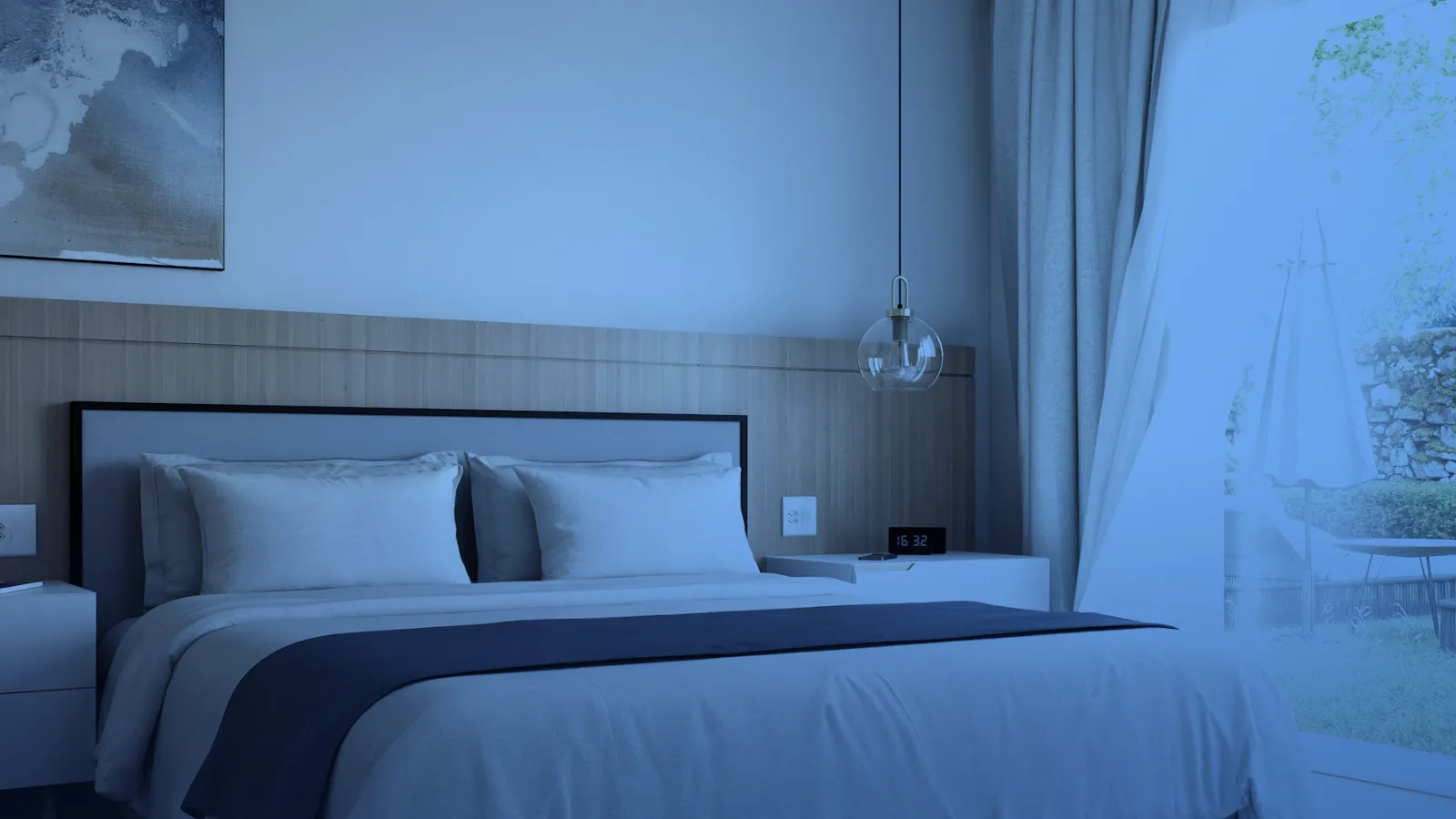
What the guest smells on entering is checked: the bedroom supply grille, the corridor return and the filter, because the stale or damp odor comes from there when the unit starts. Between stays, the cleaning crew looks at grilles and filter with a short list. Duct cleaning is scheduled in a gap without bookings when the camera shows deposit or stains, not by calendar.
Odor reviews: what the guest notices
A review rarely says “the ducts were dirty”. It says “it smelled damp”, “stale smell on entering”, “the air conditioning smells odd when it starts”. Behind those phrases there is almost always a system that sat off between the last guest and the new one, with a pan holding water, a damp filter and still air in the duct. The guest knows nothing of that. They only know the apartment did not smell clean, and that weighs more in the review than a missing towel.
| What the guest writes | What is usually behind it | What is checked |
|---|---|---|
| Damp smell on entering | Pan with standing water and a damp filter after days switched off | Pan drain and the filter held to the light |
| The air smells odd when switched on | Damp dust in the first supply duct section | Camera from the main bedroom grille |
| Food smell from the previous guest | Return grille near the kitchen loaded with fine grease | Return grille and filter, cleaning between stays |
| Cigarette smell although it is forbidden | Particles held in the filter and duct lining | Filter change and camera if the smell persists |
High turnover and cleaning between stays
A short term rental apartment can host more different people in a month than a family home in a year. Each stay brings its load: cooking, long showers, suitcases with travel dust, sometimes a pet. And between stays the unit is switched off, sometimes a day, sometimes a week. In Panama’s climate, with a mean relative humidity of 75.7 % according to ETESA, each shutdown leaves the pan and the filter damp until the next start. The EPA recommends clean pans with free drainage precisely so that water does not stay.
The cleaning crew that comes in between guests is the best tool the host has, as long as it has a short, concrete list. They are not asked to open the unit or touch the duct. They are asked to look and report, just as they report a burnt out bulb.
Anyone who needs to see the real condition of the ducts in the case of short-term rentals can request a camera inspection from the team at Climatiza, a technical duct cleaning service in Panama, which documents every section with images.
What to check on grilles and filters
- Switch on the unit on arrival and smell the air from the bedroom grille during the first minute.
- Wipe the slats of each supply grille with a damp cloth and note whether it comes back black.
- Check the return grille with a flashlight and remove visible lint.
- Pull the filter, hold it to the light and report if light no longer passes.
- Confirm there is no water on the floor under the unit and no new stains on the ceiling.
- Leave the unit on fan mode for a while before the next guest if the apartment was closed for days.
With that list, the host gets an early signal every time something changes, and knows whether the odor in a review was a one off or a trend. What the cleaning crew cannot see is the inside of the duct, and that is what the camera that travels the duct from the grille is for.
When to schedule the duct cleaning
Duct cleaning is not scheduled by calendar, but by evidence and by booking gaps. The evidence comes from the camera: damp deposit, stains on the lining or dust leaving the grilles on start. The gap comes from the booking calendar: two or three consecutive days without guests, which in a high turnover apartment must be blocked on purpose. The criteria for deciding whether a section needs cleaning or only monitoring are the same as in any home, with the difference that here the cost of getting it wrong is written in public.
- Gather the signs. Reviews that mention odor, cleaning crew reports and grille photos, with dates.
- Camera inspection on a day without a guest. Supply and return are traveled from the grilles, in a short visit that fits between two stays.
- Decide per section. With the images it is decided what gets cleaned and what is left, and whether the cause lies in the pan, the filter or the duct.
- Block the gap and execute. The required days are blocked on the platform and the cleaning is done with the apartment empty, leaving a new filter.
How to show it in the listing
What is shown is a dated fact, not a benefit. A line in the description such as “air conditioning system checked with a camera in such a month” says more than any adjective, and promises nothing that cannot be kept. Duct cleaning has not been shown to prevent health problems, according to the EPA, so the listing does not talk about pure air or health. It talks about maintenance being up to date, and backs it with the report if a guest asks.
A host with several apartments in the same tower benefits from knowing how the board decides about the building’s ducts, because part of the odor may come from a common section. And whoever manages more than one floor can copy the logic with which a hotel checks its rooms without closing the whole floor. The inspection planner based on use and warning signs helps order priorities across apartments.
More about the inspection and cleaning service that applies these criteria is on the Climatiza duct cleaning page and on the Climatiza home page.
Sources
On this site
- Residential towers and PH buildingsHow the work is organized in this sector
- Hotels and hostelsA neighboring sector
- Camera inspectionThe real condition before deciding
Climatiza and Radar Panamá
Frequently asked questions
Does the odor in reviews always come from the duct?
No. The most frequent cause is the pan with standing water and the damp filter after days with the unit off, which are solved without touching the duct. The duct comes into play when the odor persists with a new filter and a clean pan, and the camera confirms it.
What can the cleaning crew check without being technicians?
Smell the air on the first start, wipe the grilles, hold the filter to the light and report water or stains. They do not open the unit or enter the duct. That short list gives the host an early signal at every guest turnover.
Do bookings have to be blocked to clean the duct?
Yes, a short gap of consecutive days without guests, decided after the camera inspection and not before. The inspection itself fits between two stays. Blocking blindly, without evidence, costs nights that perhaps did not need to be lost.
What is written in the listing about the ducts?
A dated fact: air system checked with a camera in such a month. Without talking about pure air or health, because duct cleaning has not been shown to prevent health problems. The photo report is kept to show if a guest asks.
Keep reading

Request an inspection
Do you want to know the condition of your system?
A camera inspection lets you see the inside of the ducts before deciding what to do. Message us and we will confirm availability.
- +507 6388-2083
- info@climatizapanama.com
- Calle Gervasio García, 8, Panama City