
Laundries
Laundry: lint in the air ducts and what to check
The dryer duct pushes lint outdoors. The air conditioning duct collects it indoors. They are two systems and it pays not to mix them up.
 By Limpieza de Ductos Panamá
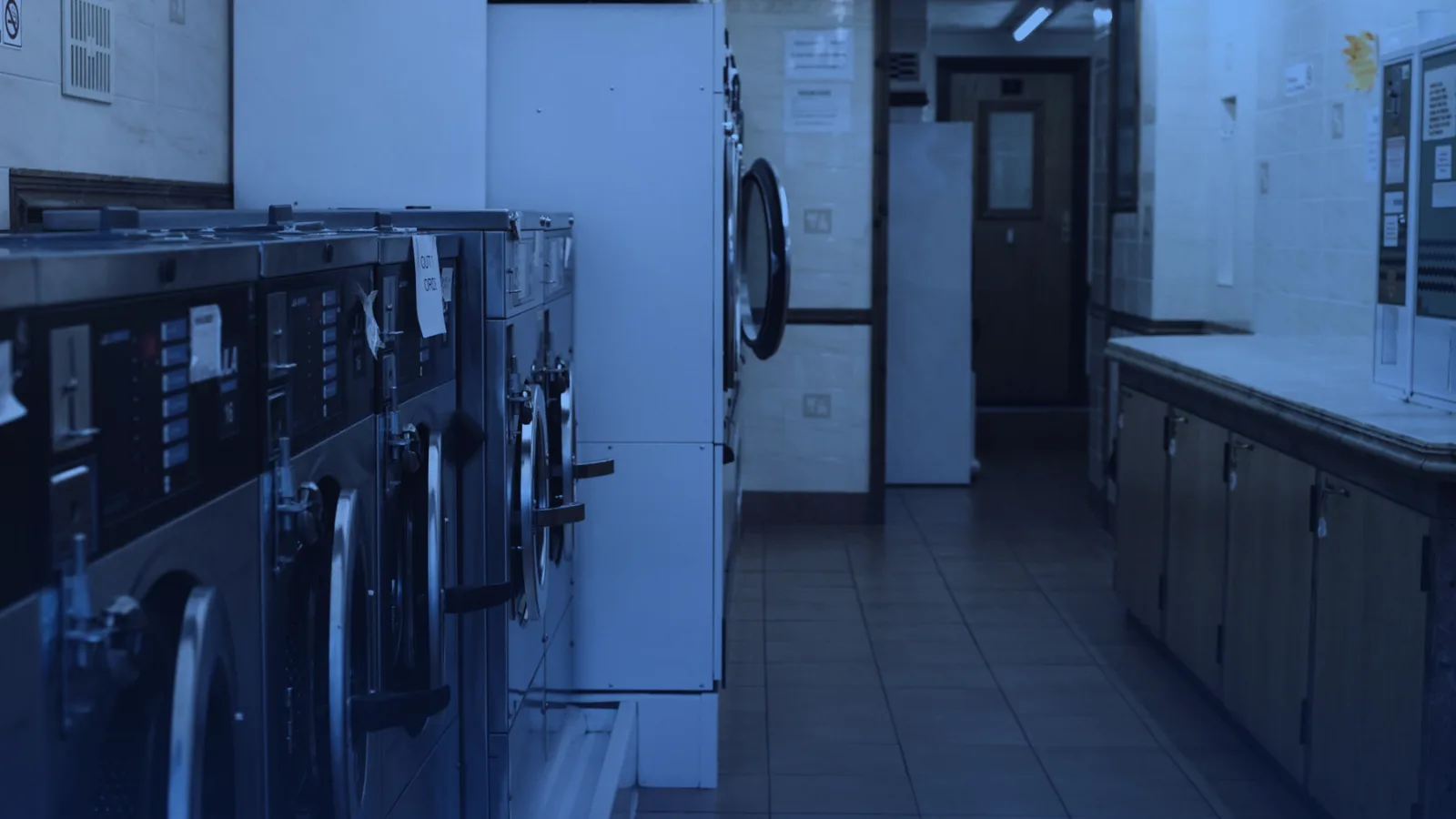
Yes, dryer lint reaches the air conditioning ducts when the exhaust duct leaks at its joints, when the lint trap is opened while the machine is still warm or when clothes are folded next to the return grille. The dryer duct is a separate system and is cleaned on its own. In the air conditioning the lint is checked at the return, the filter and the coil, and documented with a camera.
Dryer duct and air duct: they are not the same thing
A laundry has two networks of ducts that never meet. The first one leaves each dryer, crosses the wall and discharges outdoors. It carries hot air, moisture and lint, and its upkeep is a safety matter: the United States Fire Administration estimates about 2,900 dryer fires a year in residential buildings, with failure to clean named as the leading factor in 34 % of them. The second network belongs to the air conditioning, which takes air from the shop through the return grilles, cools it and sends it back through the diffusers.
This article is only about the second network. The dryer exhaust duct is cleaned with a different method and on a different schedule, and in a commercial laundry it is almost always handled by the equipment technician. What usually goes unchecked is the path lint takes inside the air conditioning.
How lint reaches the air return
The lint that matters here is the lint that does not leave through the dryer duct. It escapes in three usual ways: exhaust duct joints left unsealed or with tape past its life, lint traps emptied with the door open and the drum still warm, and the folding table, where every sheet releases fiber into the air. That fiber floats, and the air conditioning return, which draws air all day long, carries it to the filter.
The fieldwork is carried out by the Climatiza team, who check branches, grilles and air handlers and record the result in an illustrated report, also in the case of laundries.
The filter catches the long fiber. Short fiber slips past the edges of the frame and settles on the coil, where it mixes with condensation water. With the relative humidity ETESA records for the district of Panama, 75.7 % as an annual average, that mix never dries out and turns into a felt like layer that reduces airflow. From there the supply duct spreads whatever comes loose from that layer across the whole shop.
Signs at the grilles and the counter
| Sign | What it means |
|---|---|
| Gray threads hanging from the return grille in the dryer room | Lint is already entering the system through that grille |
| Air conditioning filter with an even blanket in under a month | The filter is working as a second lint trap |
| Water in the condensate tray with fiber floating in it | Short fiber got past the filter and is on the coil |
| Light colored dust on the customer counter every morning | The supply is already carrying fiber to the shop floor |
| Diffusers blowing less over the folding area | The coil or the duct has restricted airflow |
None of these signs requires opening a duct. Two minutes before the dryers start are enough. When two or more show up at the same time, it is worth asking for a camera survey of the return and the coil to see how much fiber there is and in which section it collects.
When to inspect according to laundry volume
There is no fixed frequency for lint in the air conditioning. It depends on how many kilos go through the dryers and on how much of that air shares space with the shop floor. ASHRAE Standard 180 sets tasks per component, not dates per building, and that logic works here: the filter and the tray are looked at every month, and the camera comes in when those points call for it.
- Log the kilos dried per week. It is the figure that explains why the filter loaded up sooner one month. A laundry serving hotels produces twice the fiber of a neighborhood laundry.
- Photograph the return grille on the same day each month. If threads appear between two photos, the lint trap or the dryer duct joints are failing and that gets fixed before anything is cleaned.
- Call for the camera when fiber reaches the tray. Fiber in the condensate water means the filter no longer holds it back. The section between return and coil is surveyed first.
- Clean only the sections with a bonded layer. The EPA guide recommends cleaning when there is visible build up and after the cause has been corrected. With lint, the cause sits in the dryer room.
The general criteria for deciding between looking and cleaning are in how it is decided whether a section is cleaned or left alone, and the split of the work by zones of a laundry is described on the page dedicated to laundries.
What to include in the report for the administrator
- A simple drawing with both networks marked: dryer exhaust and air conditioning, so nobody mixes them up.
- Photo of the dryer room return grille, dated and with a reference object to judge the thickness.
- Condition of the filter, the frame and the coil, stating whether the fiber is dry or matted with moisture.
- Sections surveyed with the camera and sections without access, with the reason.
- A note on the dryer duct joints that leak, for the equipment technician to follow up.
- Suggested date for the next grille photo, not for the next cleaning.
When the laundry operates inside a hotel, the report usually goes to building maintenance and it helps to organize it the way floor by floor work in a hotel is organized. To estimate the level of attention the premises need before calling, the site inspection planner is useful.
Those who want to go from this reading to a real review can start at the Climatiza service page or write through the main Climatiza site.
Sources
On this site
- LaundriesHow the work is organized in this sector
- Hotels and hostelsA neighboring sector
- Camera inspectionThe real condition before deciding
Climatiza and Radar Panamá
Frequently asked questions
Is lint in the air conditioning duct a fire risk?
The fire risk documented by the USFA sits in the dryer and its exhaust duct, where there is heat. In the air conditioning lint travels with cold, damp air, so the issue is airflow and residue, not ignition. It is still worth removing because it traps more dust.
Does a finer filter solve lint in the air conditioning?
It holds back more short fiber, but it loads up faster and cuts airflow if it is not changed in time. Before raising the efficiency it is better to seal the filter frame and fix the dryer duct leaks, which is where the lint comes from.
Who cleans each duct in a laundry?
The dryer exhaust duct is handled by the equipment technician or an exhaust company. The return, the coil and the supply of the air conditioning are checked by the duct team with a camera. It helps to keep both jobs in separate reports.
Can the air conditioning be checked with the dryers running?
The camera can be run with the dryers on, but cleaning is best done with them off and cold so no more fiber comes in while the work is under way. The usual window is before the first load of the morning.
Keep reading

Request an inspection
Do you want to know the condition of your system?
A camera inspection lets you see the inside of the ducts before deciding what to do. Message us and we will confirm availability.
- +507 6388-2083
- info@climatizapanama.com
- Calle Gervasio García, 8, Panama City