
Technical guide
Technical guide to air conditioning ducts: evidence, criteria and verified data
What the scientific literature and official positions say about duct contamination, cleaning and maintenance, with every figure traced to its source and graded by the strength of the evidence.
 By Limpieza de Ductos Panamá
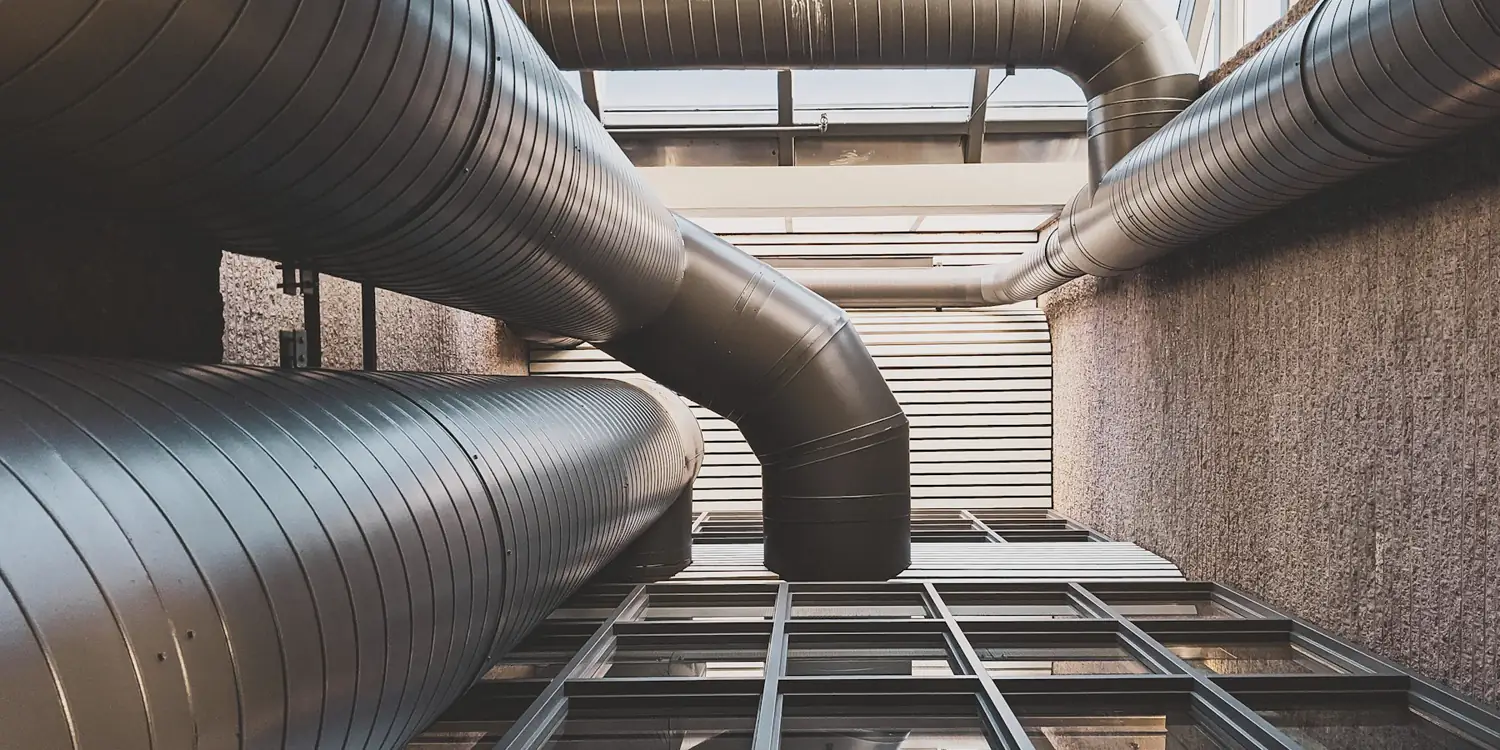
The evidence does not support duct cleaning as a calendar ritual: the EPA does not recommend it routinely, and a reference review in Indoor Air (Zuraimi, 2010) found insufficient evidence of benefits for air quality, health or energy use. It does support three ideas: the damp components of the system become contaminated, a warm and humid climate worsens that contamination, and cleaning without control can worsen the air during the work. This guide organizes that evidence into four topics and a references page.
Reading path
The thesis in four points
How each figure is graded
| Grade | What backs it | How it is written in this guide |
|---|---|---|
| Strong | Several concordant peer-reviewed studies with a large sample or a meta-analysis. | Direct statement. |
| Moderate | Concordant studies, but few, small or in a different setting. | Statement with its context: “a study of 40 units…”. |
| Limited | Scarce or mixed evidence, or simulation only. | Explicit conditional. |
| Against | The literature contradicts the sector’s usual claim. | Not claimed; acknowledged and explained. |
The grades guide how this guide is written; they do not replace reading each source.
| Source type | What it means | Use in this guide |
|---|---|---|
| Primary | Public body, national laboratory or peer-reviewed literature with no commercial interest in the result. | Main citation, linked to the document. |
| Sector | Standard or study from an industry association or consultancy: valid method, but an interest in the result. | Support, naming the source. |
| Discarded | A figure that circulates without a traceable primary document. | Not published. |
How to use this guide
Each topic page answers a different question and all of them point to the same bibliography. Anyone who needs to decide about a specific system will find the criteria in when to clean ducts and how it should be done; anyone who wants to understand why they become contaminated, in indoor air quality and tropical climate. A camera inspection shows the real condition of the interior before deciding what to do.
Articles by sector and question
Services and tools on this site
- Air conditioning duct cleaningScope, symptoms and causes
- Camera inspectionThe real condition before deciding
- Service areasWhere work is done in Panama City
- Tools and calculatorsCFM, ACH, air velocity and planner
More at Climatiza and Radar Panamá
- Air conditioning duct cleaning in Panama (in Spanish)Climatiza: service page
- Why duct cleaning is not recommended as a routine (in Spanish)Climatiza: criteria
- Air duct cleaning in PanamaRadar Panamá: when it is needed and how to check it was done well
- Air conditioning maintenance contract for businessesRadar Panamá: what it should include
Frequently asked questions
Do ducts need cleaning at regular intervals?
There is no universal frequency. The EPA recommends cleaning only when needed, for example with substantial visible mold, vermin or obstruction by dust. The reference is to inspect and decide on what is observed. The criteria are in when to clean ducts and how it should be done.
What is the difference between a primary and a sector source?
A primary source is a public body, a national laboratory or a peer-reviewed study with no commercial interest in the result. A sector source is a standard or a study funded by an industry association: its method may be valid, but it has an interest in the conclusion, so it is cited as support and with its origin.
Why do some widely repeated figures not appear here?
Because a figure is not published unless the document where it appears can be linked. Several figures circulating on sector blogs, attributed to institutions, have no traceable primary document or come from simulations with no field validation.
Where are the full references?
On the technical references page, with DOIs, source type and scope notes. Every figure in the guide links to its reference.

Request an inspection
Do you want to know the condition of your ducts?
A camera inspection shows the inside of the ducts before anything is decided. Message us and we will confirm availability.
- +507 6388-2083
- info@climatizapanama.com
- Calle Gervasio García, 8, Panama City